Limited-edition products present a fascinating intersection of design, scarcity, and human psychology. At their core, these items often share the exact same functionality as their standard counterparts. Yet, the subtle tweaks, such as a unique color palette, a minor logo variation, or even a strategic collaboration with a renowned artist, can transform an everyday, utilitarian product into something extraordinary.
Looking back at past tech releases, we can see exactly how these subtle design shifts manipulate consumer behavior, turning standard tech hardware into highly coveted cultural artifacts.
The Allure of Limited Editions
What drives this powerful allure? Much of it comes down to human behavior, particularly the specific way the human brain perceives value. Scarcity acts as a primary motivator; when an item is officially labeled as “limited,” it instantly triggers our innate fear of missing out (FOMO).
Suddenly, owning that specific item is no longer just about its day-to-day utility, because it becomes a status symbol that grants entry into an exclusive group, which represents a select few who managed to secure something that the broader public cannot have.
Emotional Investment and Identity
This sense of exclusivity heightens a consumer’s emotional investment in the product. A limited-edition item frequently feels deeply personal, as if there is a distinct story or a piece of history permanently attached to it. Whether the driving force is nostalgia, pure admiration for the physical design, or the simple, adrenaline-fueled thrill of rarity, these items trigger a much deeper psychological connection than their mass-produced equivalents.
Interestingly, this phenomenon also reflects a crucial cultural aspect of identity. In a modern world where extreme mass production is the baseline norm, owning something genuinely rare becomes a powerful vehicle for expressing individuality. Ultimately, it is not just about the physical product itself, but rather about what the object symbolizes, which includes a unique taste, a keen eye for aesthetic detail, or a deep appreciation for the exceptional.

Market Dynamics and Frenzy
When these products initially hit the market, they routinely spark an immediate frenzy, ranging from physical queues outside retail stores to intense online bidding wars. This chaotic environment is a testament to how scarcity, when successfully combined with thoughtful design, can elevate even the most basic utilitarian object into something deeply desirable.
Limited editions are far more than mere consumer goods, as they serve as a live case study in how industrial design and human psychology merge to shape global consumer interest.
Case Study: The Steam Deck OLED White Version in Retrospective
A perfect real-world execution of this psychological framework occurred when Valve released the limited edition white Steam Deck OLED back in November 2024. At the time of its launch, the exclusive handheld devices were instantly snapped up by rapid resellers, who immediately listed them on secondary marketplaces like eBay for sums well over $1,000, despite the original recommended retail price being a modest $679 USD. This massive price hike perfectly highlighted a predictable human behavior, which is the aggressive desire to capitalize on artificial scarcity.
The white Steam Deck OLED generated immense excitement among hardcore collectors and tech enthusiasts alike. The strictly limited regional availability, combined with the aesthetic appeal of owning a visually distinct version of the popular handheld, drove the community into a pre-order panic. Consequently, the device sold out almost instantly in regions like the UK, followed shortly by the US, Canada, and Europe.
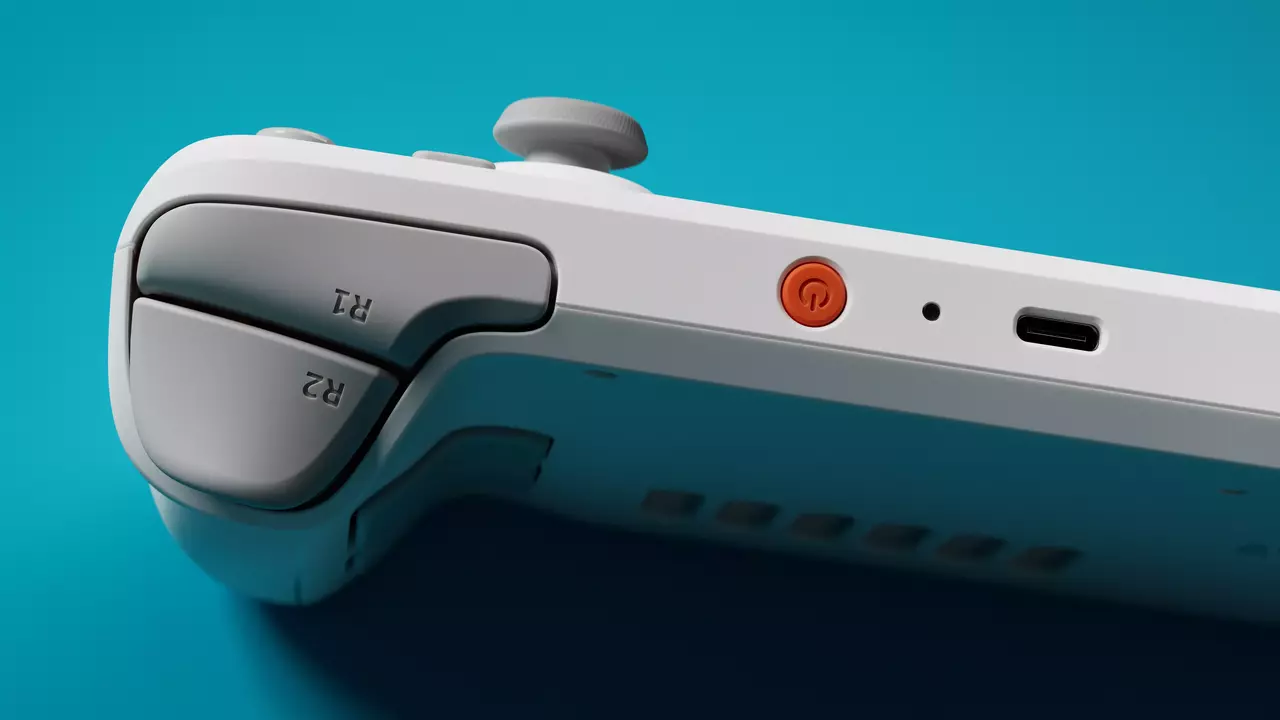
From a purely technical standpoint, the white model shared the exact same specifications as the standard, mass-produced Steam Deck OLED 1TB model, meaning buyers received absolutely no performance advantage or frame-rate boost. However, Valve amplified the psychological value by bundling the hardware with exclusive accessories, which included:
- A custom white carrying case that was unique to this release;
- A matching white microfiber cleaning cloth;
- An exclusive, matching virtual profile theme for the digital Steam interface.
This launch served as a textbook case of FOMO, where the fear of missing a single release window prompted swift, emotional purchasing decisions, which directly fueled a predatory resale market at highly inflated prices. Even as Valve expanded its distribution network to regions like Australia, the secondary market price for these white units remained high for months, proving that the psychological premium placed on the color swap outlasted the initial launch hype.

Final Thoughts
Looking back at the phenomenon of the white Steam Deck OLED, it remains intriguing to observe how tightly controlled availability can permanently alter human behavior and distort market dynamics. The potent blend of exclusivity and the lingering fear of missing out consistently overrides rational financial logic, ensuring that collectors will always pay a steep premium for rarity.