The unexpected cultural explosion of Undertale upon its release completely revolutionized the modern landscape of the indie game industry, establishing a monumental shift in how interactive narratives approach player agency. Developed almost entirely by the visionary creator Toby Fox, this project began as a humble venture that sought to capture the whimsical, emotionally resonant magic of classic Japanese role-playing games while simultaneously dismantling their mechanical and moral foundations. At its core, the narrative introduces a nameless human child who accidentally plummets into the Underground, a sprawling, subterranean realm where an entire civilization of monsters was banishing centuries ago following a catastrophic war against humanity. This subterranean world remains sealed away from the surface by a powerful, seemingly impenetrable magical barrier, which requires the immense power of several human souls to shatter.
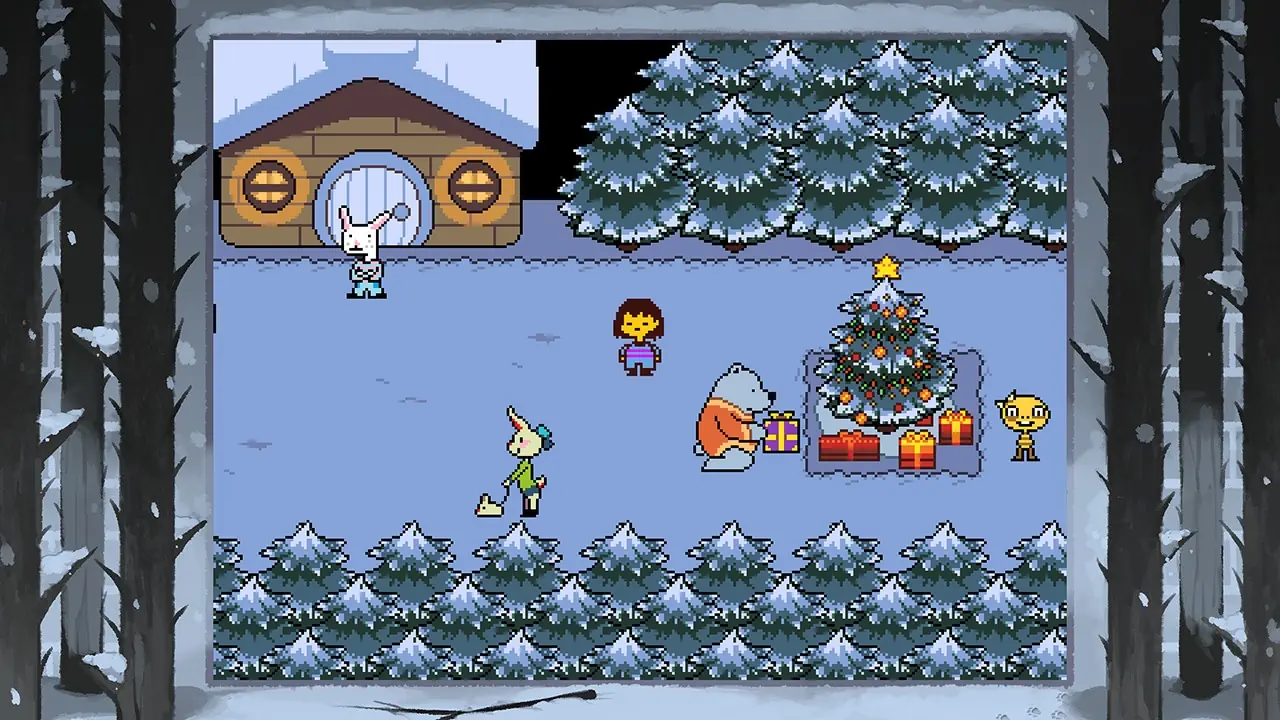
The primary objective seems simple on paper, as the player must navigate this treacherous yet strangely welcoming world to find a way back home to the surface. However, the true journey transcends a mere quest for escape, quickly evolving into a profound, deeply philosophical exploration of morality, empathy, and the systemic consequences of video game violence. By addressing the player not just as a consumer of media, but as an active moral agent whose choices carry actual existential weight for the digital inhabitants of the world, the game elevates the standard role-playing video game format into a mirror reflecting the player’s own psychological tendencies.
The Mechanics of Soul and Combat
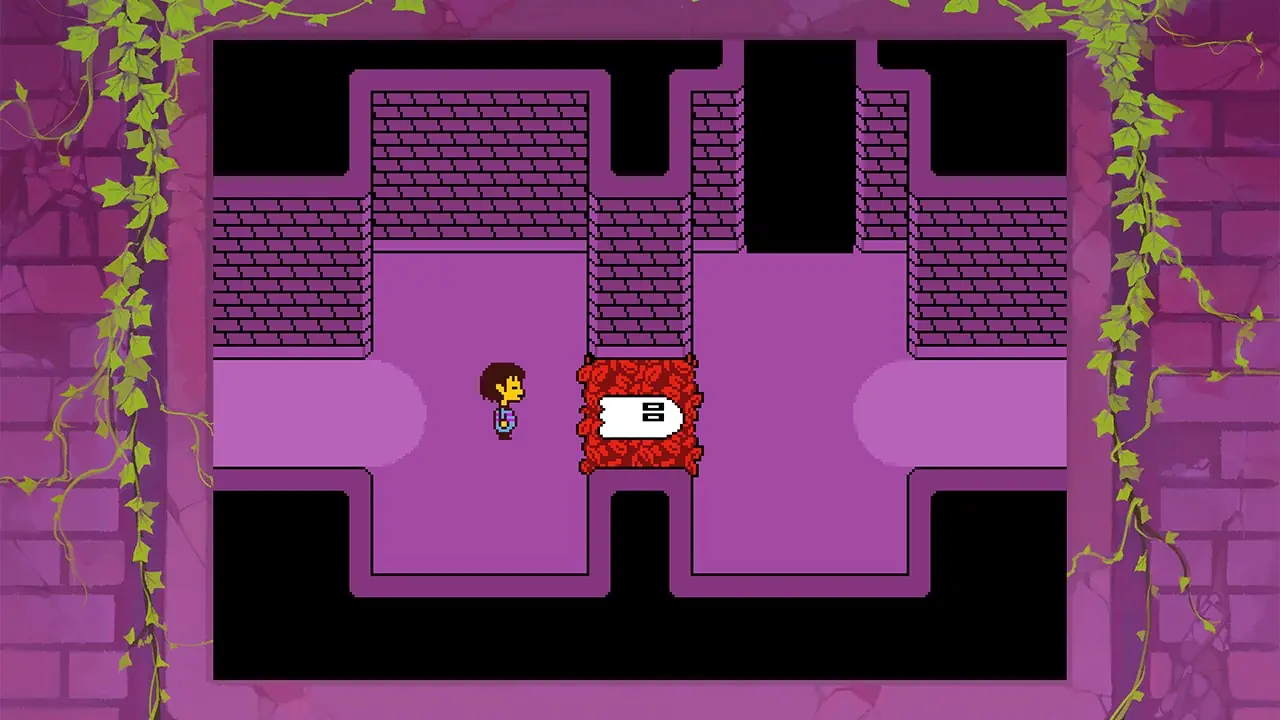
The structural framework of the game utilizes a classic top-down perspective that pays homage to retro classics, guiding the player through a beautifully realized ecosystem filled with distinct towns, dangerous caverns, and atmospheric ruins. The transition into this grid-based world allows players to explore varied biographical areas, such as the snowy, atmospheric forests of Snowdin, the melancholic, glowing caverns of Waterfall, and the technological labyrinth of The Hotland. When a random or scripted encounter occurs, the traditional RPG matrix is completely upended. Instead of selecting an attack option blindly from a static menu, the player enters a localized, highly dynamic combat system that seamlessly incorporates elements of bullet hell games and classic top-down shooters.
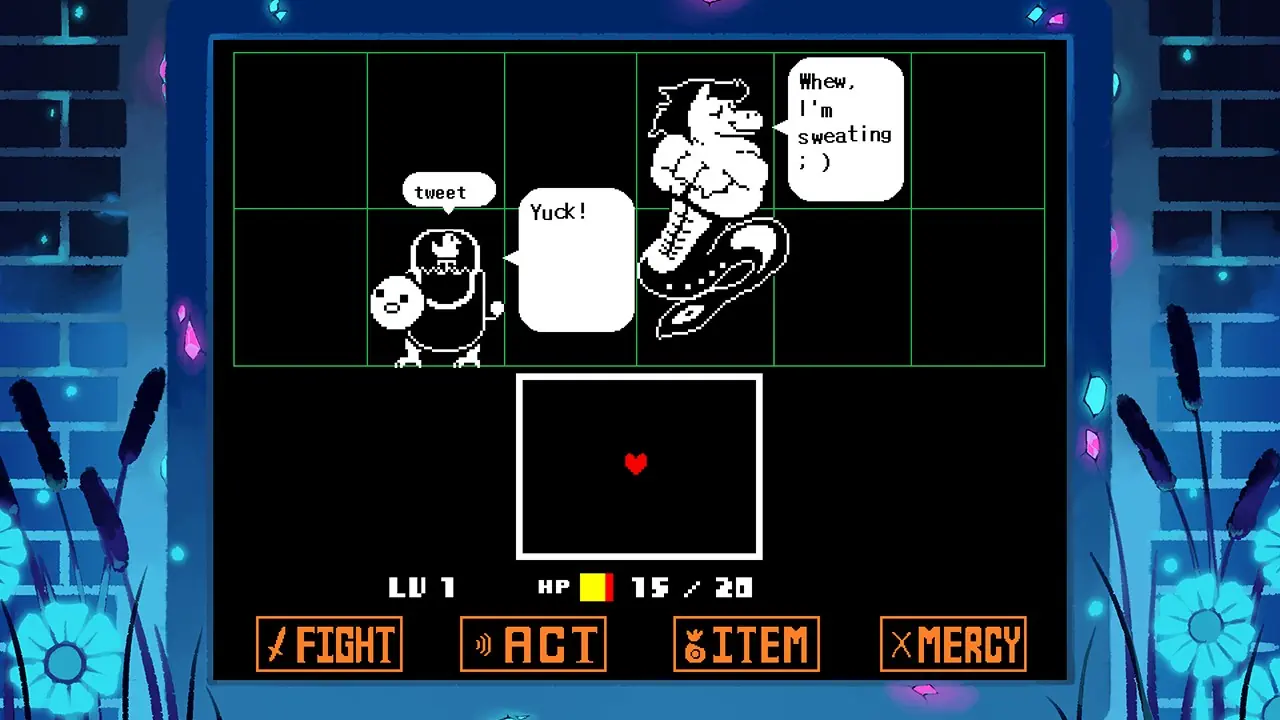
The player controls a small, vivid red icon representing the human soul, which must maneuver through a localized box to evade incoming projectiles that are carefully stylized to match the personality, mood, and state of mind of the opposing monster. For instance, an anxious monster might produce erratic, unstable patterns, while a melancholic foe might rain down tears that must be actively avoided. To fight back, the game utilizes a system of timed attacks, where a vertical line slides across a horizontal meter, requiring the player to press a button at the exact moment of alignment to maximize the damage output of their weapon.
However, the absolute pinnacle of this framework is the negotiation-based battle system, which proves that traditional combat is wholly unnecessary. Through the innovative use of the ACT command, players can engage with monsters as sentient individuals rather than mere obstacles standing between them and the next level of experience. The player can choose to talk, tease, pet, cheer up, or physically interact with the enemies, carefully decoding their psychological needs and emotional distress. Once an enemy has been appropriately comforted, pacified, or thoroughly subdued, their sprite shifts color, allowing the player to deploy the MERCY option to spare them entirely. This mechanic fundamentally redefines the concept of conflict resolution in interactive media, making it entirely possible to complete the entire narrative without taking a single monster life, changing the game’s outcome based entirely on peace rather than slaughter.
The Trifold Paths of Morality and Metafiction
The narrative architecture relies heavily on a sophisticated web of moral choices, tracking every single interaction through an invisible grid of variables, resulting in multiple, distinct story paths that yield completely unique narratives and vastly different endings. The Neutral Route serves as the baseline experience, adapting dynamically to partial violence, where the player spares some monsters but kills others, culminating in a harrowing confrontation with reality-warping entities. The True Pacifist Route requires absolute commitment to non-violence, unlocking a deeply emotional arc where the player uncovers the tragic history of the royal family, specifically the fallen prince Asriel Dreemurr, and actively forms enduring bonds of friendship with the game’s formidable bosses.
Conversely, the Genocide Route, which is a terrifyingly bleak deconstruction of completionist gaming habits, forces the player to intentionally hunt down every single monster in each zone until a chilling encounter screen reading “But nobody came” appears. This path completely drains the world of its whimsical charm, altering the atmospheric soundtrack into distorted, slow-toned melodies, and replacing heroic encounters with desperate, brutally difficult boss fights against characters who realize you are an existential threat to their universe.
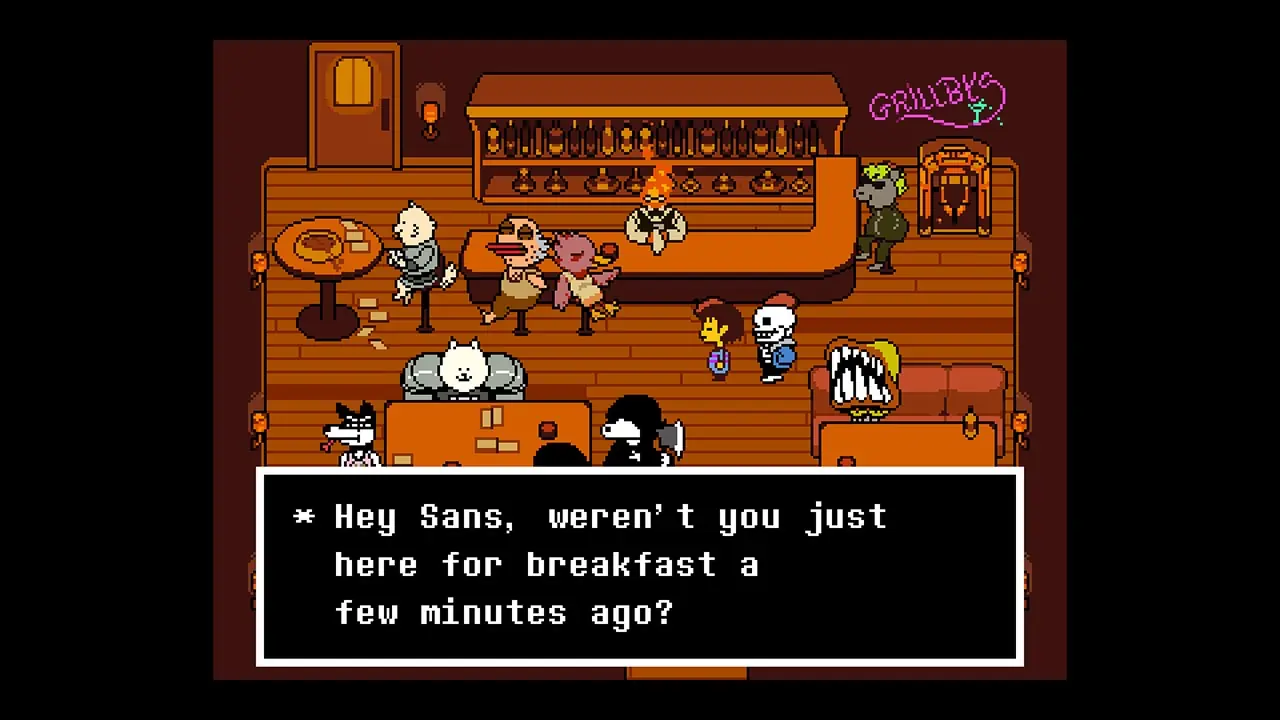
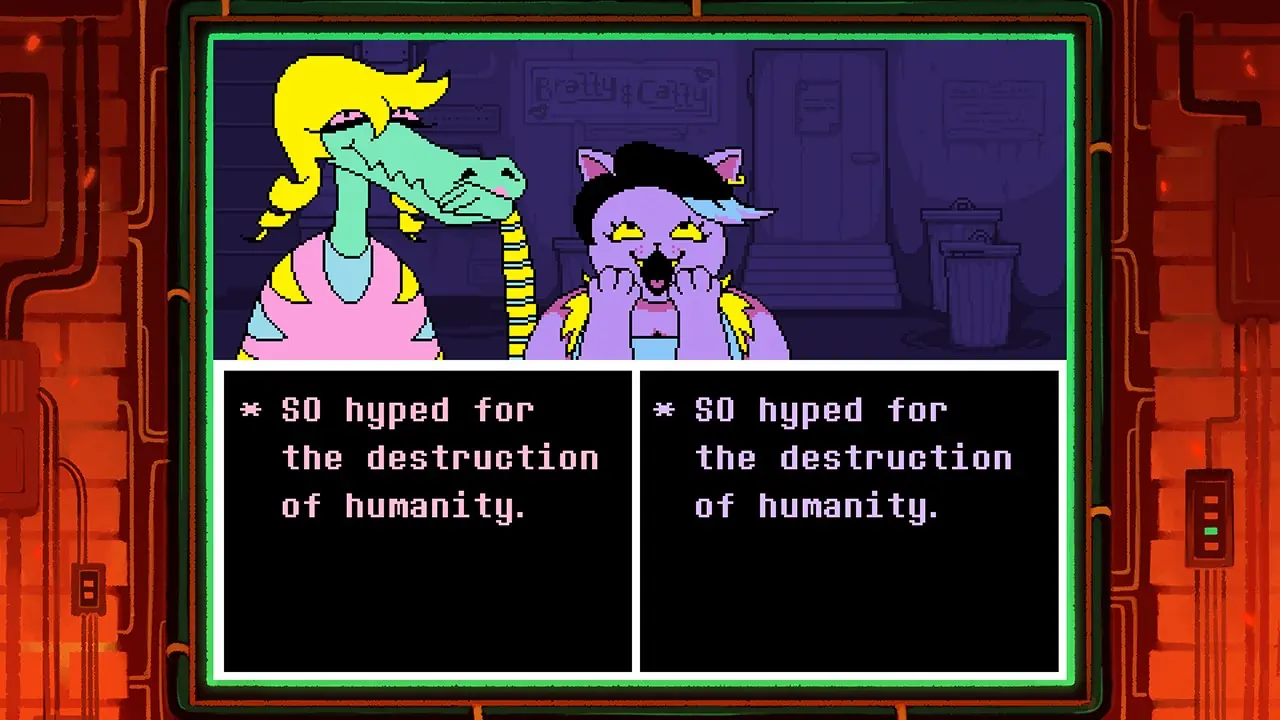
Furthermore, the storytelling relies heavily on sophisticated metafictional elements that actively dismantle the traditional boundary between the player and the software. The fundamental actions of saving your progress, loading a previous state, or performing a complete RESET are explicitly recognized as canonical, in-universe timeline manipulation abilities. This reality-altering power is fueled by an existential force known as DETERMINATION, which exists in high quantities within human souls. Major characters, most notably Sans the Skeleton and Flowey the Flower, possess a profound awareness of these timeline fluctuations, observing the player’s temporal anomalies with a mix of dread and cynicism. If a player commits a heinous act, such as murdering a beloved companion, and attempts to undo their mistake by reloading a previous save file, the game actively remembers their transgression, modifying the subsequent dialogue in second playthroughs to subtly mock or condemn the player’s attempt to evade moral accountability, making the weight of every choice feel uncomfortably permanent.
Aesthetic Identity and the Anatomy of Connection
The distinct identity of the game is further solidified by its highly expressive, often minimalist pixel art style and its universally acclaimed original soundtrack, both of which are deeply imbued with the eccentric personality of its creator. The visual presentation shifts smoothly between simple, charming environmental tiles and highly detailed, monochrome battle screens that emphasize the emotional expressions of the monsters. This retro aesthetic is elevated immensely by the musical score, which was composed concurrently with the game’s development to ensure a flawless thematic synchronization. The soundtrack utilizes a brilliant system of recurring leitmotifs, where specific melodic sequences are masterfully rearranged, sped up, slowed down, or transposed across different tracks to tell a cohesive story through audio alone. Tracks like the energetic Megalovania, the triumphant Hopes and Dreams, and the melancholic theme of the Underground itself carry an immense emotional weight, transforming simple boss encounters into unforgettable narrative climaxes.
The world is populated by a cast of characters that exhibit a soulful, multi-layered depth, blending sharp internet-era humor with genuine vulnerability. The game frequently undercuts tense, dramatic moments with subversive comedic sequences, such as the inclusion of a recurring dog count that features an array of bizarre canine entities, including the Lesser Dog, whose neck grows indefinitely when petted, and the ubiquitous Annoying Dog, which serves as a hilarious avatar for the developer himself. Perhaps the most iconic manifestation of this unique tone is the option to actively date a skeleton, specifically the enthusiastic, puzzle-obsessed Papyrus. What begins as a humorous parody of traditional visual novels and dating simulators quickly reveals a heartwarming underlying sincerity, reinforcing the core philosophical objective to become genuine friends with the very bosses you were initially conditioned to destroy. This rich characterization ensures that the monsters are never viewed as simple digital targets, but as charming, complex individuals whose survival is deeply worth fighting for.
Final Thoughts
Ultimately, Undertale stands as a timeless masterpiece because it refuses to treat the player’s actions as consequence-free entertainment, transforming the traditional act of playing an RPG into a profound lesson in empathy. By challenging the fundamental urge of players to maximize efficiency, hoard power, and dominate a virtual environment through violence, it creates an unparalleled emotional bond between the human sitting at the screen and the digital inhabitants of the Underground. It is a unique blend of quirky humor, heartwarming moments, and deep choices that will make you think twice about every single decision, cementing its status as an unforgettable experience that stays with you long after the credits roll.
What you need to run
Minimum System Requirements
| Component | Specification |
|---|---|
| OS | Windows XP, Vista, 7, 8, or 10 |
| Processor | Info |
| Memory | 2 GB RAM |
| Graphics | Video Card with 128 MB |
| Storage | 200 MB available space |
Have fun!