
The ruined landscape of The Last of Us is not merely a backdrop for survival, it is a profound exploration of human nature under extreme duress. Over twenty years after a parasitic fungal outbreak decimates civilization, the world has devolved into a brutal ecosystem of infected monsters and even more hazardous human factions. At the heart of this narrative is Joel, a cynical, grieving smuggler whose emotional walls are impenetrable, and Ellie, an orphaned teenager who carries the weight of a potentially immune future. What begins as a transactional assignment to extract Ellie from a tyrannical military quarantine zone evolves into an existential, emotionally shattering pilgrimage across the desolate expanse of the United States of America. This definitive edition also integrates the critically acclaimed Left Behind expansion, a poignant prequel chapter that examines Ellie’s formative relationship with her companion Riley, shedding light on the tragic loss that permanently reconfigured her destiny before she ever crossed paths with Joel.
Let’s Dig Into the Details
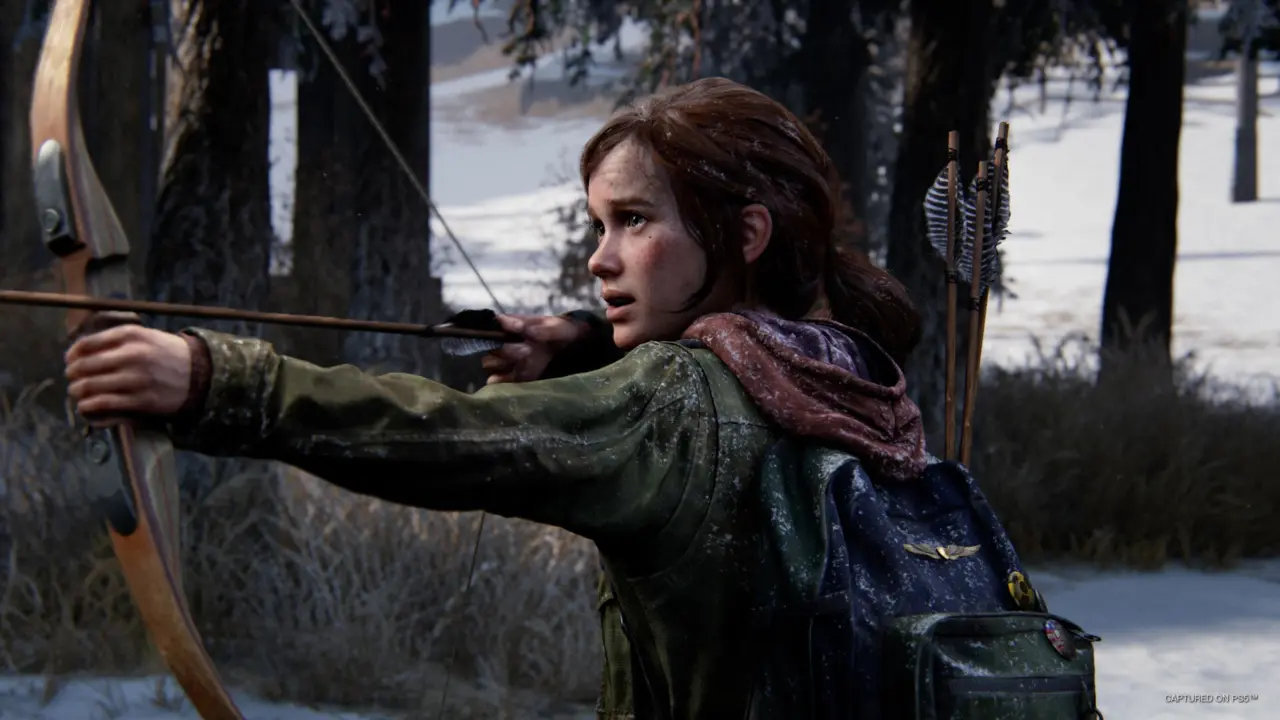
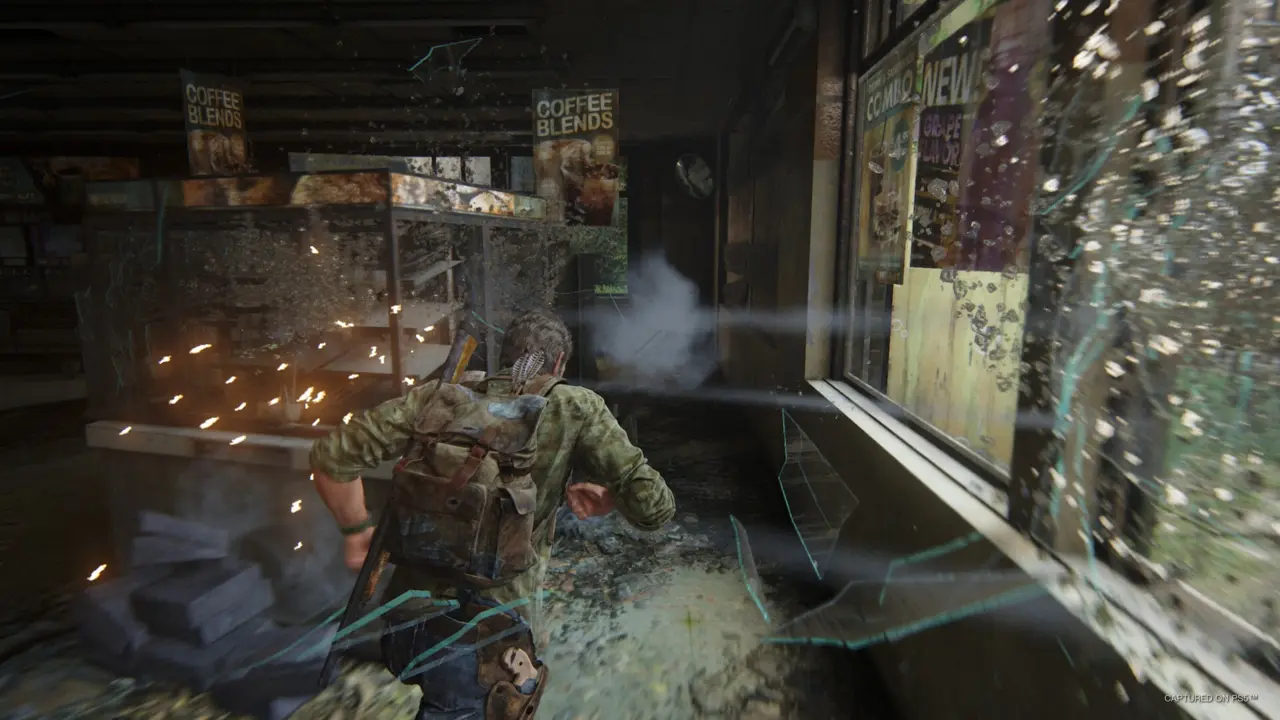
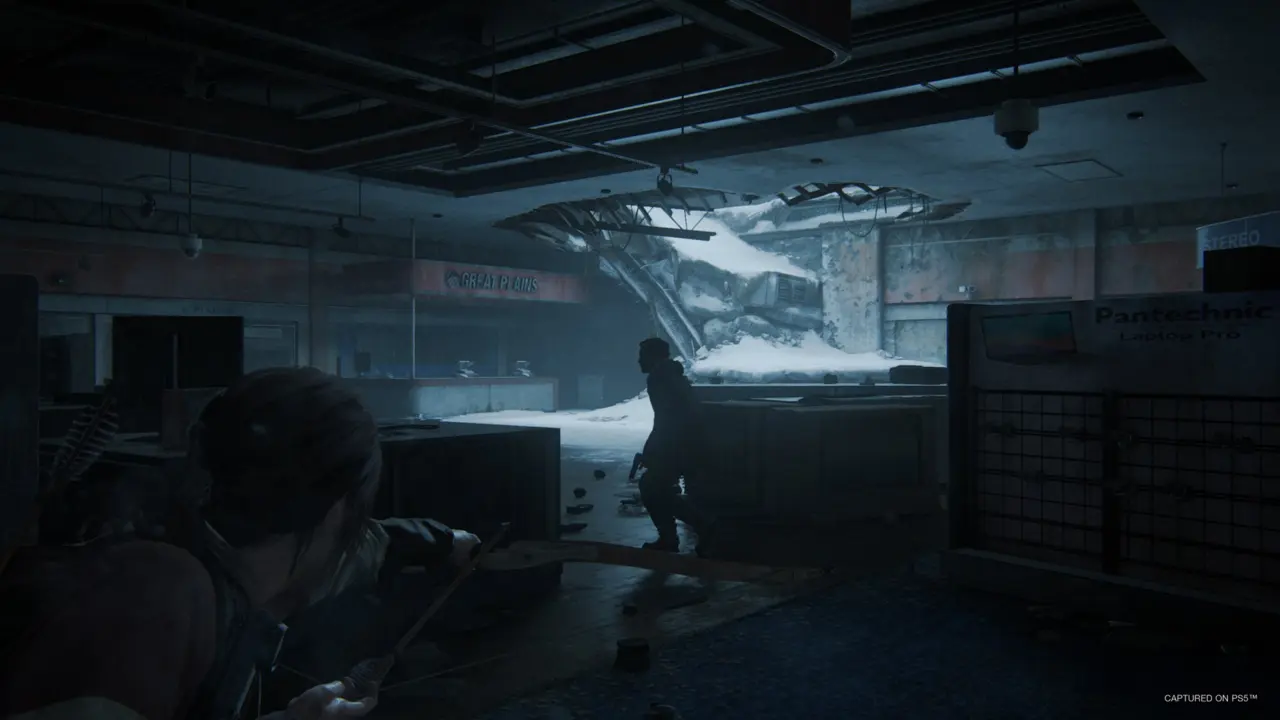
Transitioning this cinematic epic to the PC platform required a complete technical overhaul, elevating the environmental storytelling to unprecedented heights. The PC architecture allows for advanced graphical configurations that bring the haunting beauty of a reclaimed nature into sharp focus. Through adjustable parameters for Texture Quality, Shadows, Reflections, and Ambient Occlusion, players can witness the intricate details of a decaying world. The oppressive, rain drenched concrete of the Boston QZ contrasts sharply with the vibrant, overgrown flora of Bill’s Town, all rendered in stunning, native 4K resolution. For those seeking a truly panoramic theater of survival, the inclusion of Ultrawide Monitor Support for 21:9 Ultrawide and 32:9 Super Ultrawide aspect ratios stretches the horizon, making the tense exploration of empty suburbs and abandoned skyscrapers incredibly immersive. Furthermore, the auditory landscape is enhanced via 3D audio support, which translates environmental geometry into precise acoustic cues, allowing players to pinpoint the clicking of an approaching monster, the rustle of foliage, or the distant footsteps of an encroaching hunter.
Temporal Reconstruction and Performance Metrics
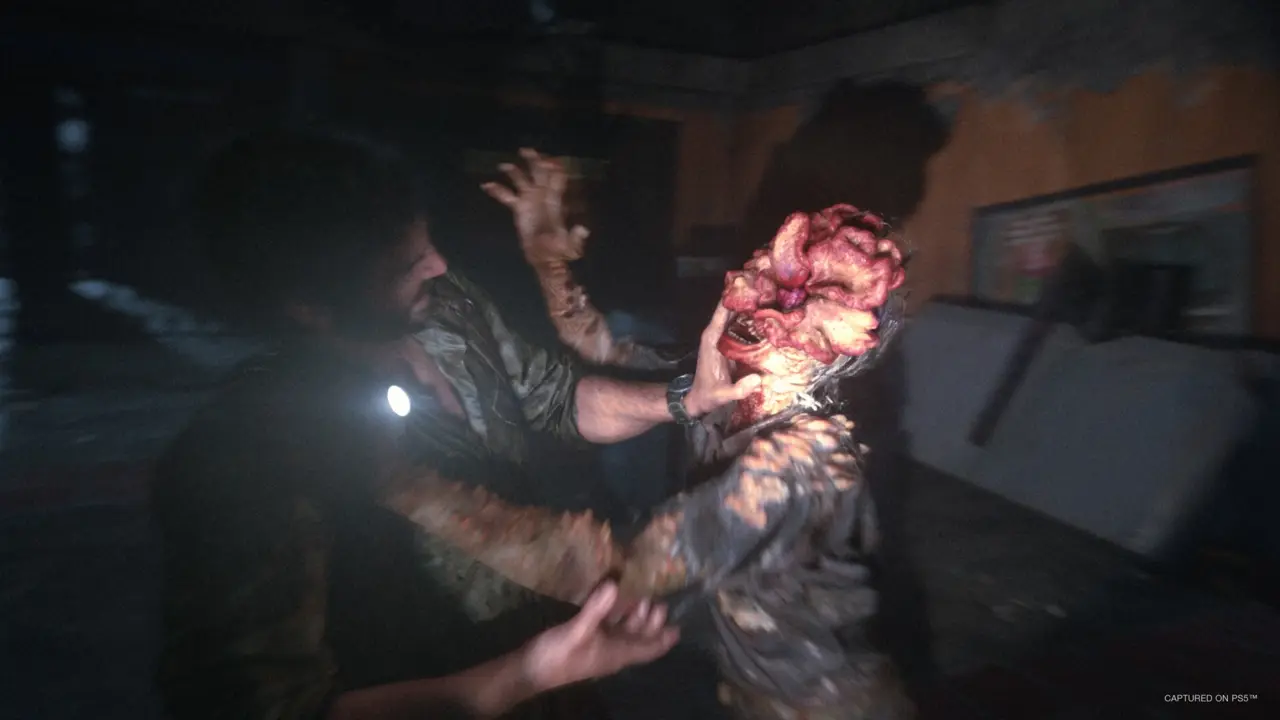
Maintaining high graphical fidelity alongside smooth performance is critical for the intense, active combat scenarios encountered throughout the journey. To achieve this balance, the title incorporates advanced temporal upscaling solutions, including AMD FidelityFX Super Resolution 2.2 and Nvidia DLSS Super Resolution. These cutting edge algorithms analyze historical frame data to reconstruct high resolution images from lower baseline renders, significantly boosting frame rates without sacrificing visual clarity. Coupled with customizable VSync options and flexible frame rate cap options, players can tailor the engine performance to match the specific capabilities of their hardware, ensuring that encounters with both the infected and hostile scavengers remain fluid, responsive, and visually striking across a diverse spectrum of modern graphics cards.
Tactile Engagement and Inclusivity Options
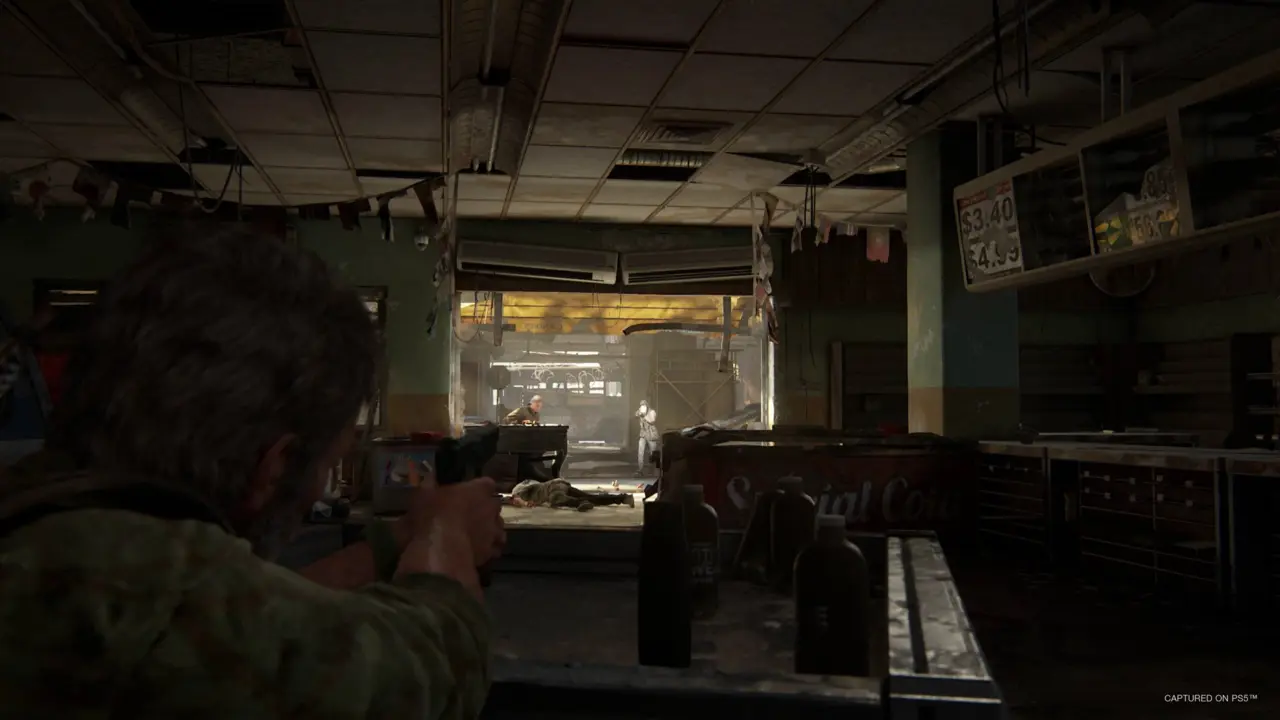
The connection between the player and the digital world is further solidified through comprehensive input fidelity and peripheral support. Utilizing a wired DualSense controller enables players to experience the physical reality of Joel and Ellie’s struggle through sophisticated haptic feedback and dynamic triggers, which communicate the distinct tension of pulling a bowstring, the mechanical jar of a firearm recoil, or the low rumble of an armored vehicle passing nearby.
Traditional configurations are equally accommodated, providing seamless compatibility with the DualShock 4 controller, alternative gamepads, and standard keyboard and mouse setups. The user interface allows for extensive control remapping, primary and secondary input assignments, and an innovative adaptive mode that permits the simultaneous combination of controller and keyboard inputs. Crucially, the release carries over Naughty Dog’s highly acclaimed suite of accessibility features, offering deep adjustments for visual, auditory, and motor requirements, thereby guaranteeing that this monumental story is open to every player, regardless of their physical needs.
Final Thoughts
Ultimately, The Last of Us Part I on the PC is far more than a mere port, it represents the definitive optimization of an industry milestone. By fusing a legendary, emotionally resonant narrative with highly advanced technological enhancements, the game bridges the gap between passive cinema and interactive drama. The harrowing journey of Joel and Ellie remains a definitive testament to the power of video games as a storytelling medium, offering an unforgettable experience that will challenge your morality and linger in your thoughts long after the final credits roll.
What you need to run
Minimum System Requirements
| Component | Specification |
|---|---|
| OS | Windows 10 (Version 1909 or Newer) |
| Processor | AMD Ryzen 5 1500X, Intel Core i7-4770K |
| Memory | 16 GB RAM |
| Graphics | AMD Radeon RX 470 (4 GB), AMD Radeon RX 6500 XT (4 GB), NVIDIA GeForce GTX 970 (4 GB), NVIDIA GeForce GTX 1050 Ti (4 GB) |
| Storage | 100 GB available space |
| Additional Notes | SSD Recommended |
Recommended System Requirements
| Component | Specification |
|---|---|
| OS | Windows 10 (Version 1909 or Newer) |
| Processor | AMD Ryzen 5 3600X, Intel Core i7-8700 |
| Memory | 16 GB RAM |
| Graphics | AMD Radeon RX 5700 XT (8 GB), AMD Radeon RX 6600 XT (8 GB), NVIDIA GeForce RTX 2070 SUPER (8 GB), NVIDIA GeForce RTX 3060 (8 GB) |
| Storage | 100 GB available space |
| Additional Notes | SSD Recommended |
Have fun!