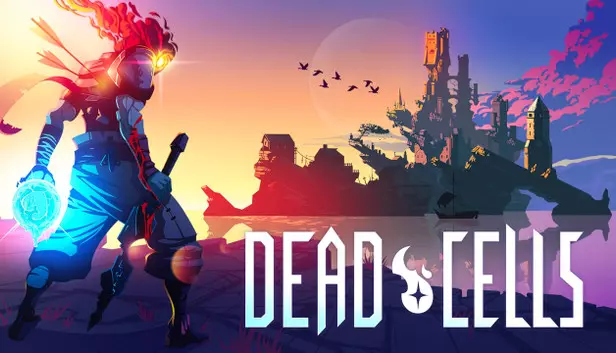
Dead Cells stands as a masterclass in genre fusion, seamlessly blending the punishing loop of a roguelike with the rewarding exploration of a metroidvania, which is a combination often affectionately termed a roguevania. Players step into the undulating, microscopic shoes of The Homunculus, which is a sentient clump of amorphous slime that possesses decapitated human corpses to form a viable host. The game subverts traditional progression by using procedural generation to randomize the layout of its biomes, ensuring that no two escape attempts feel identical.
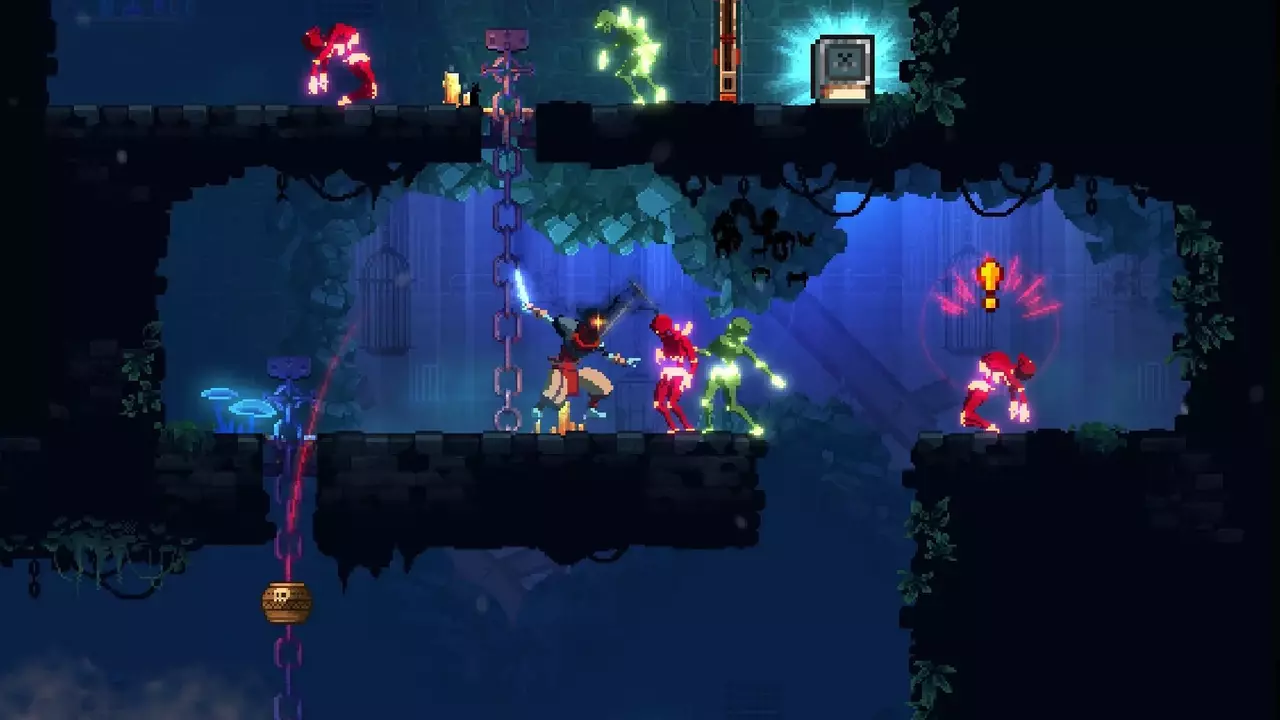
Unlike traditional entries in the genre that lock you into static maps, this title uses permanent traversal upgrades called runes to bridge the gap between runs. Acquiring abilities like the Vine Rune or the Spider Rune unlocks completely new pathways across various biomes in subsequent playthroughs, transforming how you navigate the world. The constant threat of permadeath injects intense stakes into every encounter, punishing careless mistakes while rewarding mastery of its fluid, lightning-fast combat systems.
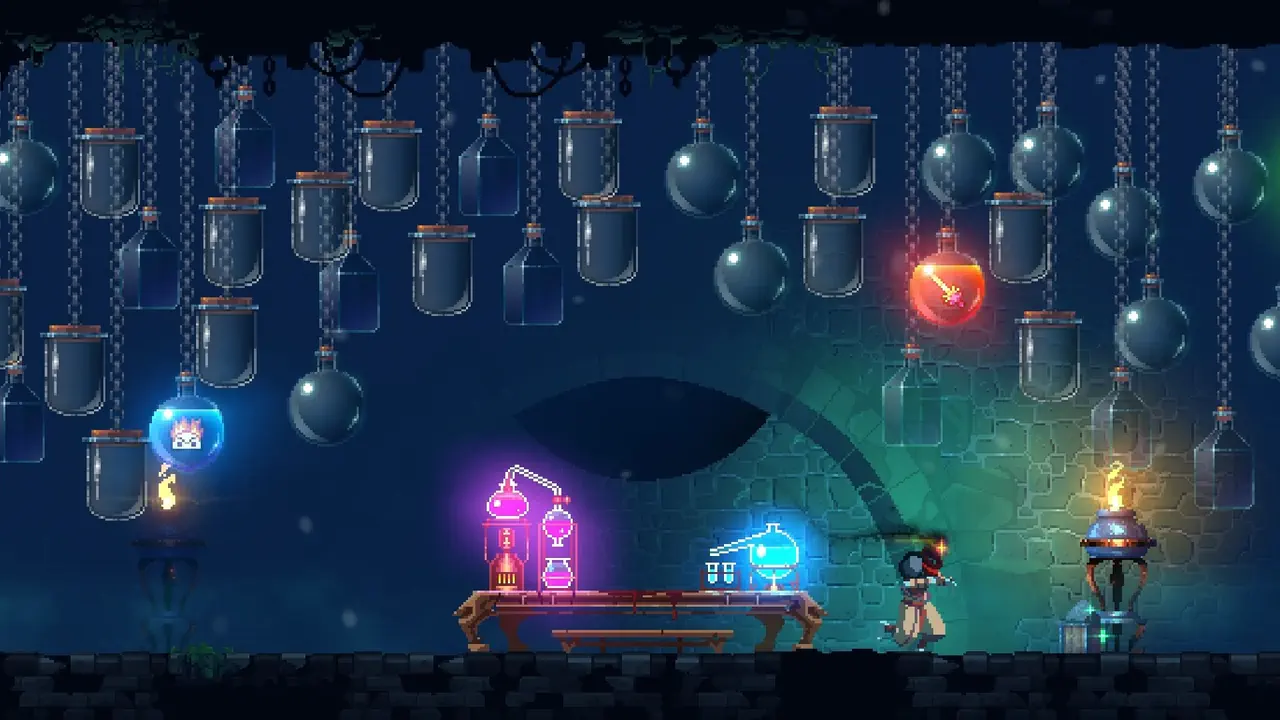
Core Gameplay Mechanics and Deep Progression
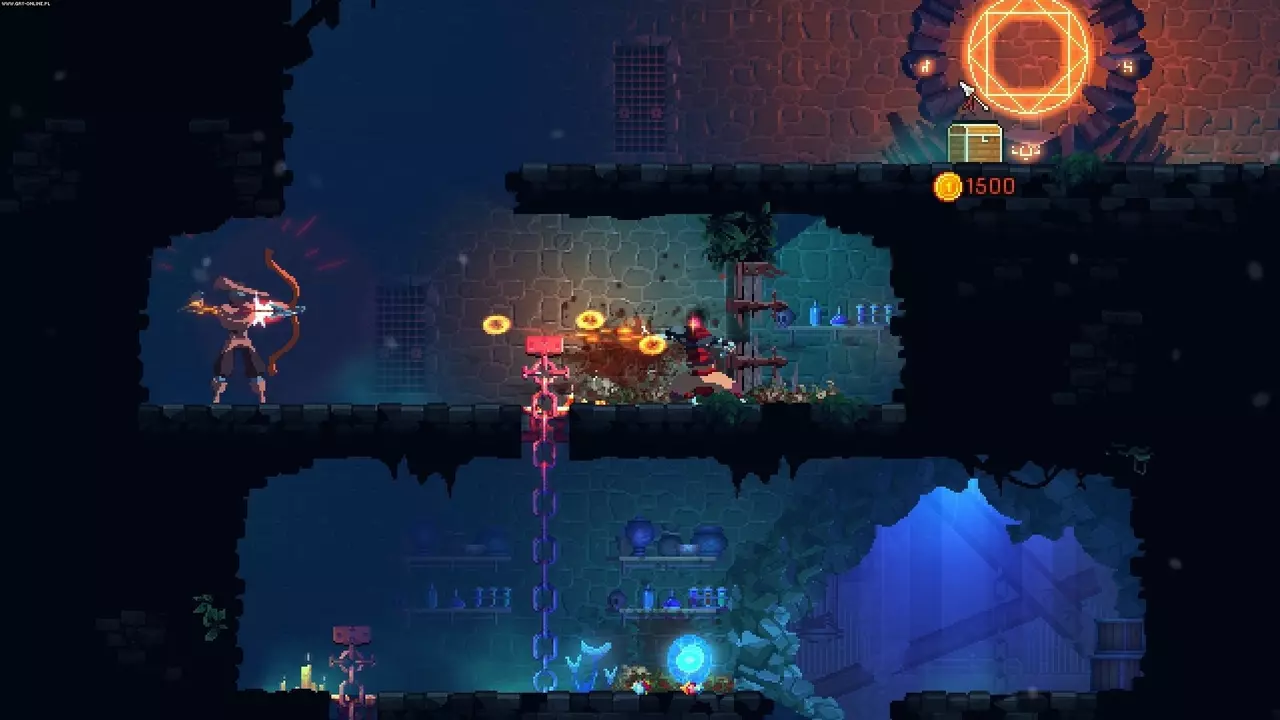
The gameplay loop of Dead Cells is built upon high-stakes risk management, impeccable timing, and build synergy. As players fight through hordes of mutated monstrosities, they collect an arsenal of randomized weapons, shields, and skills. Combat builds are dictated by three distinct color-coded stats, which players level up using scrolls found throughout the world:
Brutality, which focuses on fast-paced melee weapons, raw physical damage, and aggressive, frontline combat styles;
Tactics, which prioritizes ranged weaponry, calculated positioning, and deployable traps like turrets or crowfeet;
Survival, which emphasizes high health pools, heavy, slow-swinging crowd-control weapons, and shield parry mechanics.
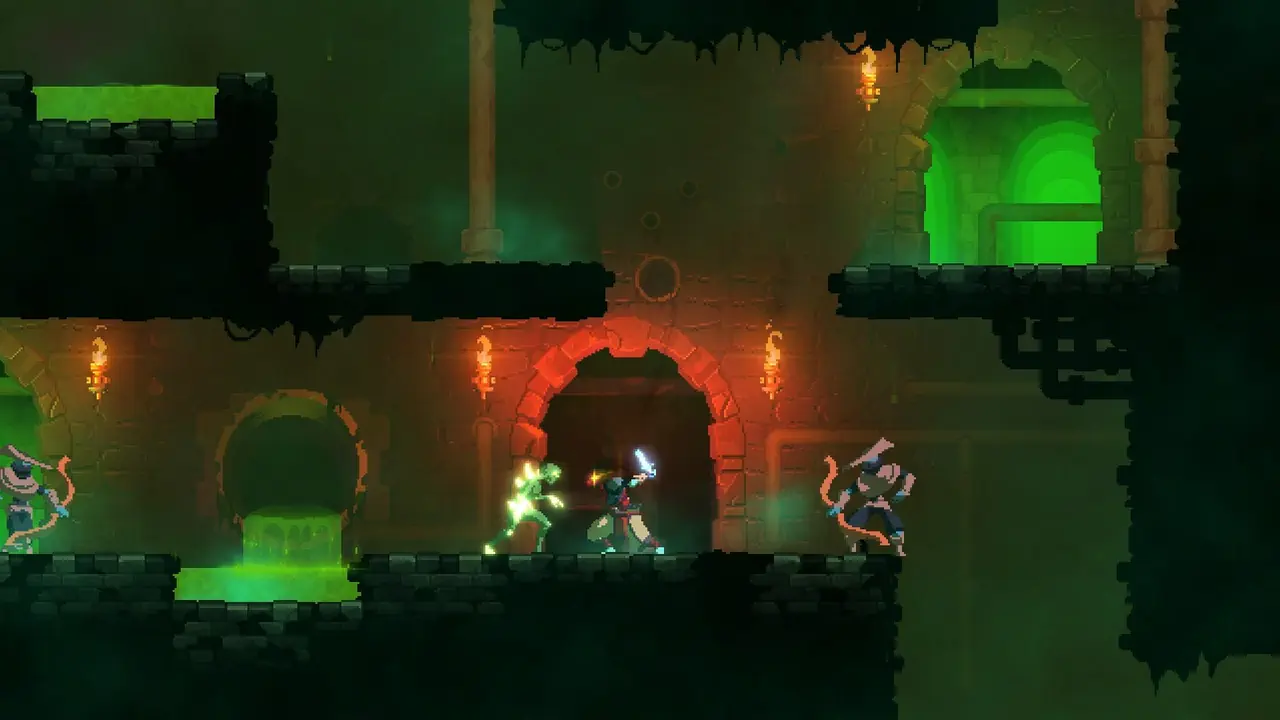
True mastery requires understanding weapon affixes and synergies, such as pairing a sword that inflicts bleeding with a trap that deals bonus damage to bleeding targets. The primary currency, cells, is harvested from fallen enemies and must be safely delivered to The Collector in the transition zones between levels. These cells permanently unlock new blueprints, expanding the item pool for future runs. Furthermore, players can invest their hard-earned currency into the Legendary Forge, which is a permanent upgrade system that increases the base quality of all weapons found throughout the island, gradually turning the player into an unstoppable force.
The Lore of the Island and the Malaise
The narrative design relies heavily on environmental storytelling, forcing players to piece together a tragic history through hidden lore rooms, corpse examinations, and cryptic NPC dialogues. The kingdom was once a thriving island oasis, but it fell into absolute ruin following the outbreak of The Malaise, which was a devastating, corrupting plague that rotted the minds and bodies of the citizenry, turning them into aggressive, mutated husks.
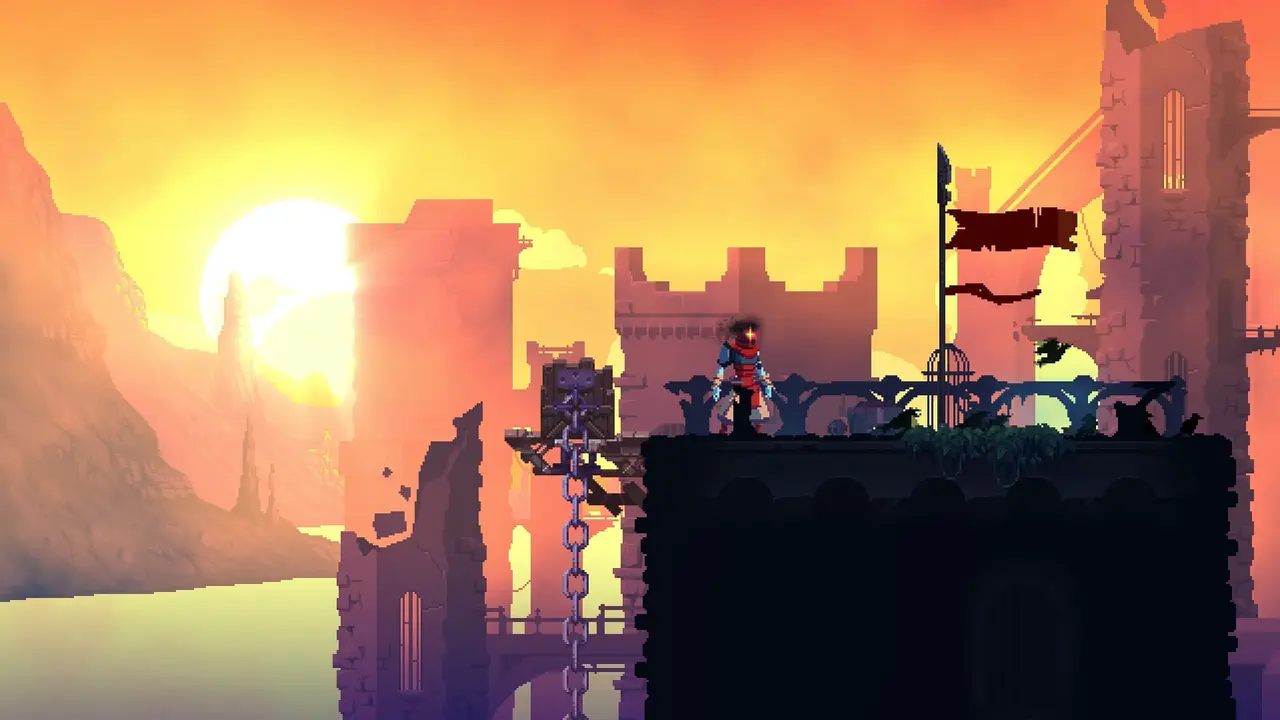
In a desperate, tyrannical bid to halt the spread, the King ordered absolute quarantines, mass executions, and brutal experimentation, which ultimately accelerated the collapse of his society. The Prisoner wakes up at the start of every run in the Prisoners’ Quarters, trapped in a temporal anomaly that resets the world upon death. As you successfully conquer the game, you unlock Boss Stem Cells, which dramatically increase the difficulty, introduce new enemy types, and reveal the true, shocking nature of the loop, the identity of The Prisoner, and the cosmic irony underlying the kingdom’s demise.
Keepers, Bosses, and Essential NPCs
The dangerous path to the throne room is blocked by several powerful entities and aided by essential figures, who are encountered throughout the journey:
The Concierge, who was once Castaing, a compassionate guard captain turned into a hulking, fire-shielded brute by the plague;
Conjunctivius, a monstrous, floating eye bound by heavy chains, fighting with toxic spit and erratic tentacle strikes from beneath the floor;
The Time Keeper, a dual-wielding warrior manipulating reality to reset the clock, desperately trying to keep the infection from consuming her timeline;
The Giant, a monumental, resurrected skeleton resting in the Cavern, who speaks directly to the protagonist and sheds light on their past identities;
The Hand of the King, the ultimate martial authority on the island, wielding a massive symmetrical lance and summoning banners to crush intruders;
The Collector, a mysterious figure collecting cells to craft an ultimate panacea, whose true motives are deeply tied to the final difficulty levels;
The Blacksmith, an invaluable ally found in the forge, dedicating his crafts to permanently increasing the drop rate of high-tier gear.
Final Thoughts
Dead Cells achieves greatness by respecting the intelligence and reflexes of the player, offering a deep, rewarding combat ecosystem where knowledge is just as valuable as mechanical skill. The continuous addition of massive content updates, alongside sprawling expansions, ensures the island remains a vibrant, evolving challenge. By marrying the structural permanence of upgrades with the chaotic unpredictability of randomized runs, it creates a gameplay loop that makes every single death feel less like a failure, and more like a fresh opportunity to conquer the kingdom.
What you need to run
Minimum System Requirements
| Component | Specification |
|---|---|
| OS | Windows 7+ |
| Processor | Intel i5+ |
| Memory | 4 GB RAM |
| Graphics | NVIDIA GTX 460 / Radeon HD 7800 |
| Storage | 2 GB available space |
| Additional Notes | SSD Recommended |
Recommended System Requirements
| Component | Specification |
|---|---|
| OS | Windows 10+ |
| Processor | Intel i7+ |
| Memory | 8 GB RAM |
| Graphics | NVIDIA GTX 970 / Radeon R9 390 |
| Storage | 4 GB available space |
| Additional Notes | SSD Recommended |
Have fun!