
After the revolutionary release of the Steam Deck LCD, which provided gamers with a customized device and operating system to play much of their Steam library anywhere, the enhanced version of the LCD was launched in November 2023, the Steam Deck OLED. With the emergence of high-profile alternatives such as the Asus ROG Ally X 2024 and Lenovo Legion Go, and the reduction in price of the previous LCD version, is it worth buying or upgrading to the OLED version in 2025?

How Does the Steam Deck OLED Stack Up Against Other Major Competitors?
If you seek wider compatibility with the Steam Library, particularly for competitive gaming, you will need a machine running Windows 11, unfortunately, some anti-cheat engines still require Microsoft’s system to function. However, significant progress has been made in this area, and we hope developers will soon recognize the growing importance of Linux gaming and its technical achievements, which make the Steam Deck experience so seamless.
Another aspect to consider is the technical limitations of the Steam Deck, designed primarily for gaming on the go, if you desire more raw power and flexibility, the Asus ROG Ally X or Lenovo Legion Go might be better options, especially if you prioritize performance over a seamless, streamlined experience. Here are the main differences:
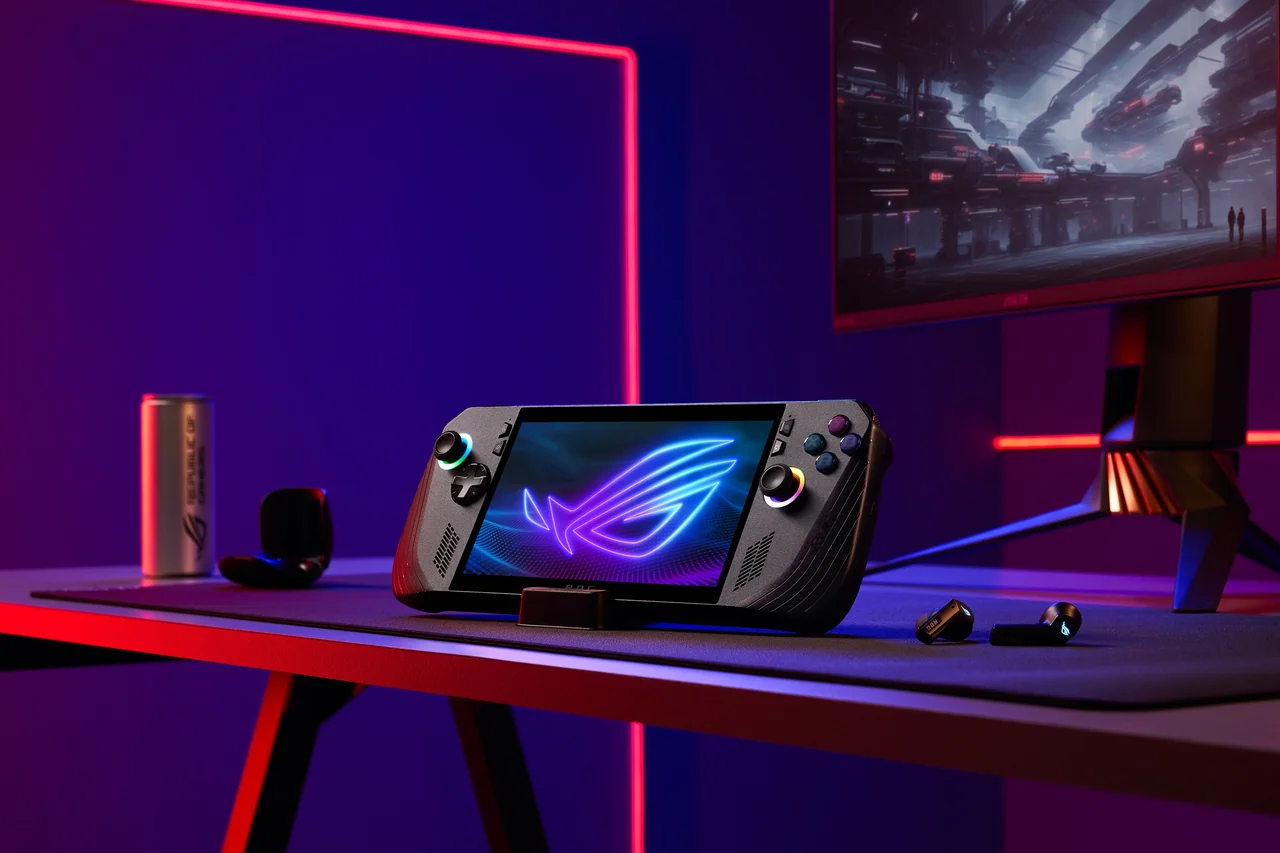
Steam Deck OLED vs. Asus ROG Ally X 2024
- Display: The Ally X has a higher resolution (1920×1080 versus 1280×800) and a faster refresh rate (120Hz versus 90Hz);
- Battery Life: The Ally X has a larger battery, but the Steam Deck OLED still offers better overall battery efficiency;
- Operating System: The Ally X runs Windows 11, giving access to a broader range of games and applications, while the Steam Deck OLED uses SteamOS.
Steam Deck OLED vs. Lenovo Legion Go
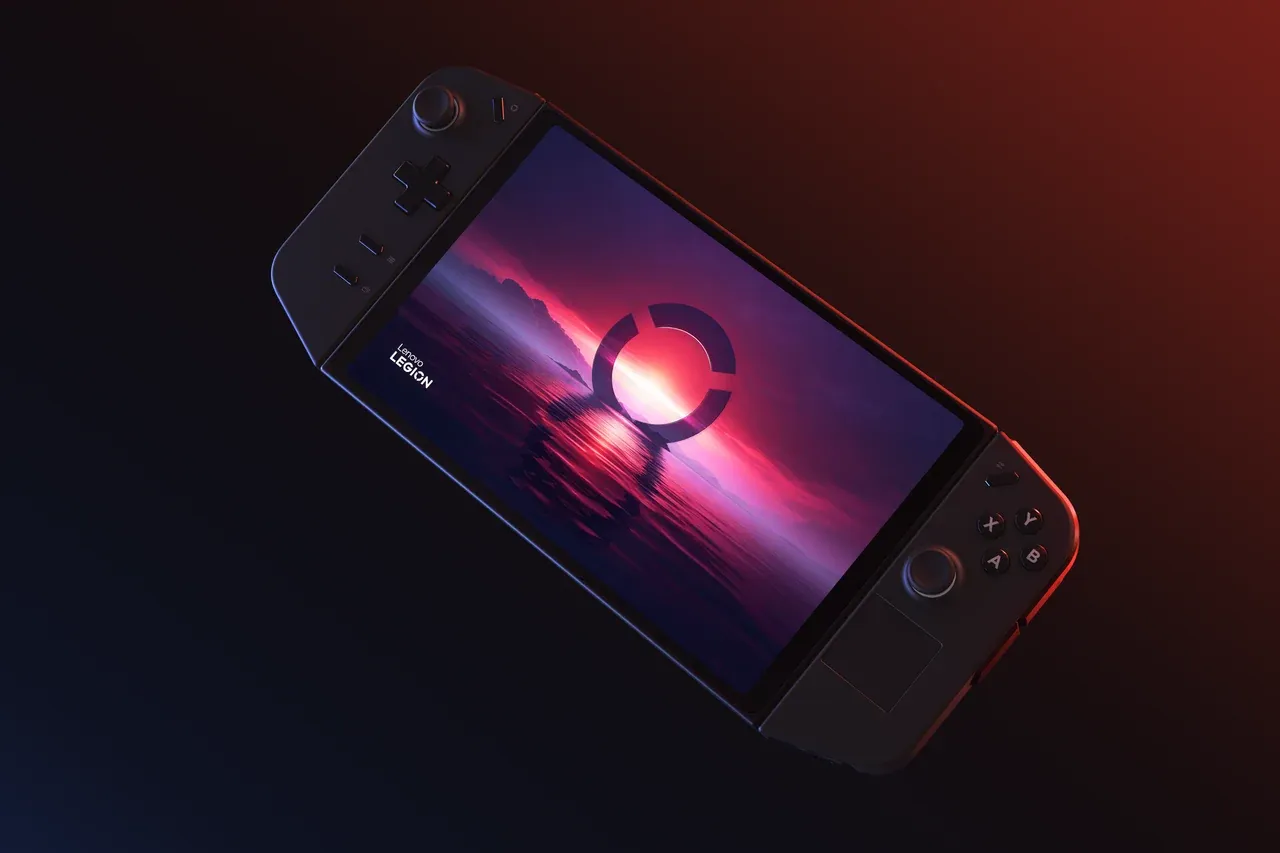
- Display: Similar to the Ally X, the Legion offers a higher resolution and refresh rate;
- Battery Life: The Legion also has a larger battery, but like the Ally X, the Steam Deck OLED has better battery efficiency;
- Operating System: The Legion runs Windows 11, providing more flexibility in terms of game compatibility.
How Does the Steam Deck OLED Compare to Its Older Brother, the LCD Version?
The Steam Deck OLED introduces a variety of enhancements over its predecessor, the LCD version, here is a closer look at the key differences and improvements:
Display Quality
- Steam Deck LCD: Features a 7-inch LCD screen with a resolution of 1280×800 pixels and a 60Hz refresh rate;
- Steam Deck OLED: Upgraded to a 7.4-inch OLED screen, offering the same resolution but with HDR support, up to a 90Hz refresh rate, and 1,000 nits of peak brightness. The OLED display provides richer colors, deeper blacks, and better overall brightness and contrast.
Battery Life
- Steam Deck LCD: Equipped with a 40 watt-hour battery, providing approximately 2 to 8 hours of playtime for lighter usage;
- Steam Deck OLED: Enhanced with a 50 watt-hour battery, delivering 30% to 50% more battery life, resulting in 3 to 12 hours of gameplay depending on the content.
Performance and Efficiency
- Steam Deck LCD: Runs on a custom AMD APU with a quad-core Zen 2 CPU and 8 RDNA 2 GPU built on a 7nm process node;
- Steam Deck OLED: Utilizes an updated 6nm APU and improved LPDDR5X memory running at 6400 MT/s, offering better efficiency, consistent graphics processor clock speeds, and superior power management.
Connectivity and Wireless Features
- Steam Deck LCD: Standard wireless capabilities with WiFi 5 and Bluetooth 5.0;
- Steam Deck OLED: Upgraded to WiFi 6E for faster downloads and lower latency, and Bluetooth 5.3 for better wireless performance alongside an added third antenna for reliable controller connectivity when docked.
Weight and Portability
- Steam Deck LCD: Original weight of approximately 669 grams;
- Steam Deck OLED: Approximately 5% lighter at roughly 640 grams due to a lighter OLED screen assembly, enhancing long-term portable comfort.
Touchscreen and Controls
- Steam Deck LCD: Features a capacitive multi-touch display with standard responsiveness;
- Steam Deck OLED: Offers improved touchscreen fidelity with a 180Hz polling rate, higher responsiveness, and significantly better haptics. Enhanced controls include more precise, tactile analog sticks, and more durable buttons.
Audio and Microphone
- Steam Deck LCD: Comes with stereo speakers and dual microphones;
- Steam Deck OLED: Improved audio quality with better bass response and the ability to use the onboard microphones simultaneously with the 3.5mm headphone connector.
Repairability
- Steam Deck LCD: Standard repairability features;
- Steam Deck OLED: Enhanced with easier access to internal components, Torx screws for better disassembly and reassembly, and official support from iFixit for replacement parts.
Exclusive Features
- Steam Deck OLED: Offers exclusive features for the premium 1TB model, including an exclusive carrying case with a removable liner, startup movie, and virtual keyboard theme.
Final Thoughts
The Steam Deck OLED significantly improves upon the original LCD version in terms of display quality, battery life, performance, connectivity, and ease of repair. If you value a superior visual experience, longer play sessions, and enhanced wireless performance, the Steam Deck OLED is a compelling upgrade. However, if you are content with the performance and features of the LCD version and prefer a more budget-friendly option, the original Steam Deck still provides an excellent handheld gaming experience.