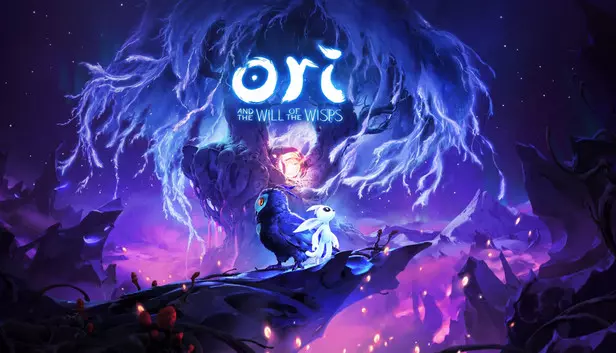
Ori and the Will of the Wisps for PC stands as a monumental achievement for Moon Studios, expanding beautifully upon the foundation laid by Ori and the Blind Forest. While the first game captured hearts with its ethereal art style and poignant storytelling, this sequel pushes boundaries by offering a significantly more mature, mechanical, and expansive experience. It retains the signature emotional weight that fans expect, but it introduces players to a world that feels perilous, alive, and deeply interconnected, ensuring that every discovery carries genuine weight.
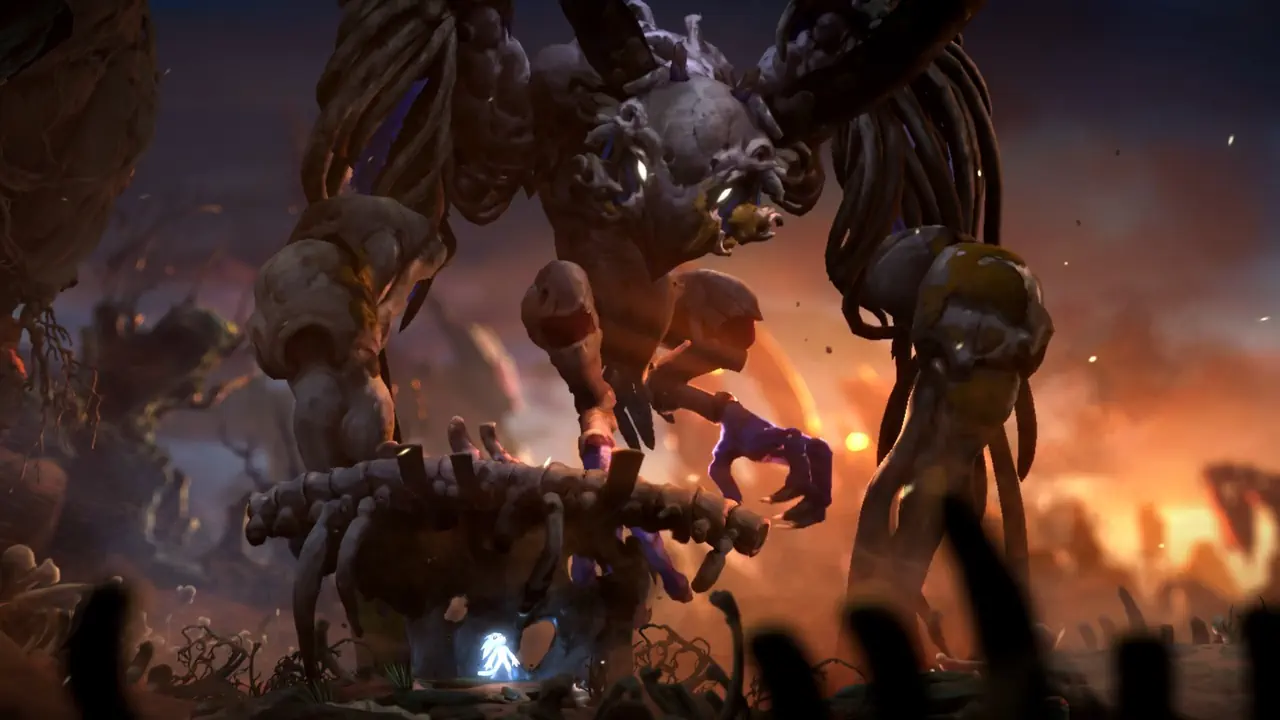
A New Adventure Begins
At its core, the game is a masterfully crafted 2D Metroidvania platformer that prioritizes organic exploration, deliberate backtracking, and kinetic character progression. You control Ori, a nimble guardian spirit whose movement feels like poetry in motion, requiring you to master complex sequences of jumping, wall-climbing, gliding, and swimming. The developers drew heavy inspiration from the fluid platforming of the Rayman series and the structural genius of Metroid, resulting in a gameplay loop where upgrading your toolkit feels incredibly rewarding.
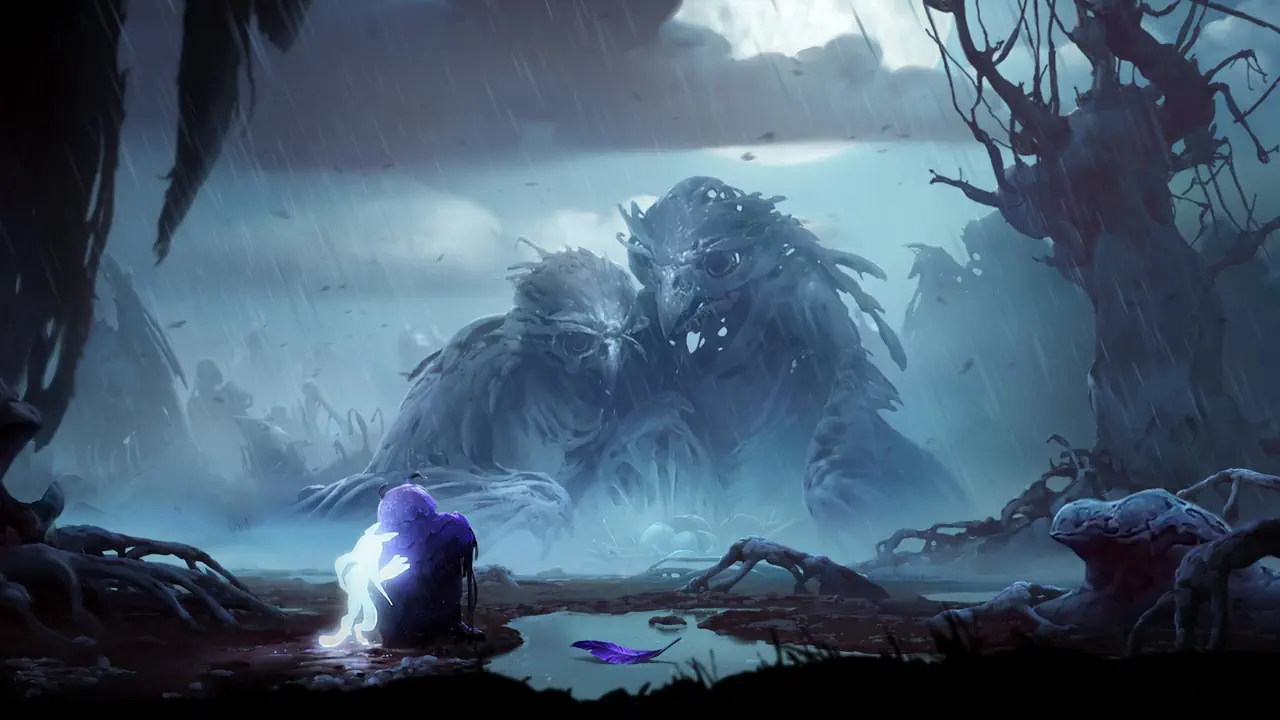
Mechanically, the sequel introduces pivotal shifts that fundamentally alter how the game is paced. The manual Soul Link save system from the first game has been retired in favor of a generous, seamless autosave feature, which drastically reduces frustration during high-stakes platforming sequences. Furthermore, the rigid, linear skill tree of the past has been completely replaced by a dynamic Spirit Shard system, heavily inspired by the famous materia mechanics found in the Final Fantasy franchise. These shards, which can be uncovered in hidden corners of the world or purchased from vendors, allow you to customize Ori’s stats, grant unique passive utilities, and modify combat parameters, giving you the freedom to craft a personalized playstyle.
Evolution of Metroidvania Design
The brilliant design philosophy of this title ensures that character progression and environmental storytelling go hand in hand, encouraging players to form a profound psychological connection with both Ori and the diverse cast of NPCs inhabiting the world. Traditional genre conventions dictate that players are kept contained in specific zones until they acquire the precise abilities needed to advance, but this game executes that philosophy with unparalleled elegance.
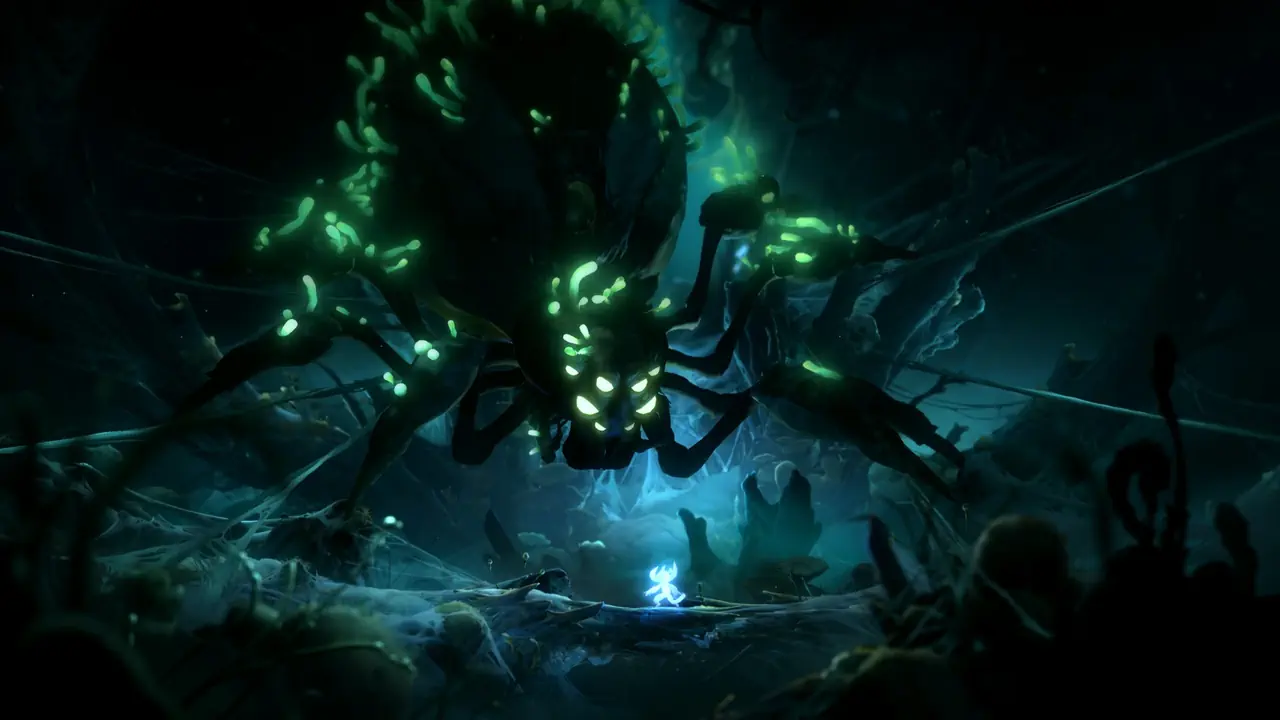
The backtracking never feels like a chore, because the world design is deeply circular, frequently revealing clever shortcuts that link advanced zones back to early-game regions. This clever architecture allows players to return to previous areas with a sense of mastery, making the collection of missed resources or hidden health orbs an absolute joy. The fluid movement mechanics, such as the Grapple and the Burrow abilities, turn the act of traversing old environments into an exhilarating showcase of your upgraded agility.
Expanding the Arsenal and the World
The most significant leap forward lies in the complete overhaul of the combat system, which transforms battles from a passive exercise into a deeply strategic affair. In the previous title, players relied on a passive companion to attack, but here, Ori wields weapons of light directly. For close-quarters engagements, you will utilize the Spirit Edge, a glowing sword capable of delivering rapid flurry attacks that require precise timing and positioning, which becomes essential for overcoming the massive, multi-phase boss encounters. To deal with threats from afar, the Spirit Bow provides a highly reliable ranged option, allowing you to weaken aggressive airborne enemies or trigger distant environmental mechanisms before closing the distance. For pure destructive satisfaction, players can deploy explosive light projectiles that act like heavy mortar strikes, scattering groups of enemies and breaking through reinforced structural barriers.
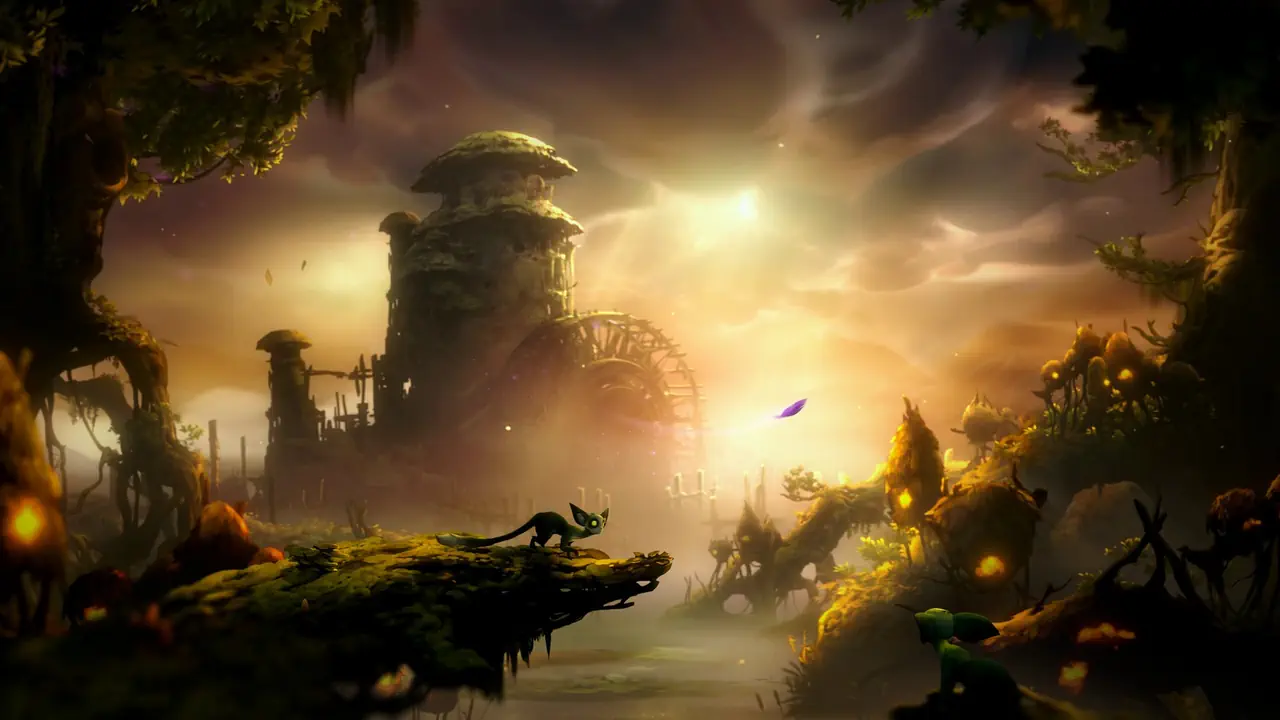
This combat variety is absolutely necessary because the playable world of Niwen is roughly three times larger than the Nibel Forest from the first game. This massive expansion takes players far beyond the woods, forcing them to navigate decaying ruins, frozen peaks, and subterranean biomes. To populate this vast landscape, the developers introduced Spirit Trials, an asynchronous multiplayer mode where you can race against the ghost data of other players worldwide to optimize your movement routes. Additionally, the inclusion of meaningful side quests given by the local inhabitants breathes immense life into the world, allowing you to gather Gorlek Ores to actively rebuild a central hub community, turning a lonely quest for survival into a beautiful story of collective restoration.

Final Thoughts
Ori and the Will of the Wisps successfully avoids the sophomore slump by delivering a sequel that is grander, darker, and mechanically superior to its predecessor. By trading simplistic combat for a deeply customizable arsenal and replacing linear progression with a flexible upgrade system, it elevates the entire experience into an unforgettable masterpiece. It is an essential playthrough that balances intense mechanical challenge with a breathtaking artistic soul.
What you need to run
Minimum System Requirements
| Component | Specification |
|---|---|
| OS | Windows 10 Version 18362.0 or higher |
| Processor | AMD Athlon X4 | Intel Core i5 4460 |
| Memory | 8 GB RAM |
| Graphics | NVIDIA GTX 950 | AMD R7 370 |
| DirectX | Version 11 |
| Storage | 20 GB available space |
Recommended System Requirements
| Component | Specification |
|---|---|
| OS | Windows 10 Version 18362.0 or higher |
| Processor | AMD Ryzen 3 | Intel i5 Skylake |
| Memory | 8 GB RAM |
| Graphics | NVIDIA GTX 970 | AMD RX 570 |
| DirectX | Version 11 |
| Storage | 20 GB available space |
Have fun!