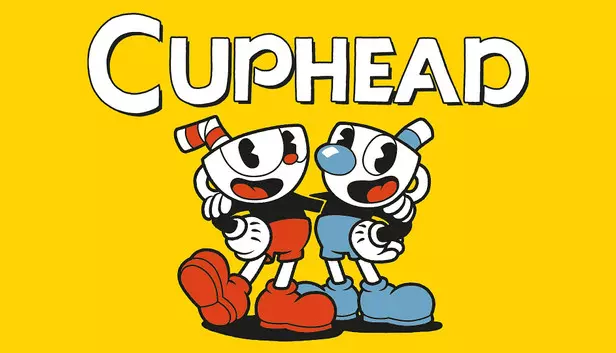
Cuphead is a run-and-gun action game that masterfully blends intense boss battles with a narrative-driven adventure. Drawing heavy inspiration from 1930s rubber-hose animation, the game is a visual and auditory homage to the golden age of cartoons. Its hand-drawn cel animation, watercolor backgrounds, and original jazz recordings create an immersive atmosphere that transports players to a bygone era. Players assume the roles of Cuphead or Mugman, navigating surreal worlds, acquiring unique weapons, mastering super moves, and uncovering hidden secrets, all while striving to settle a debt with the devil himself.
Artistic Mastery: The Revival of 1930s Animation
The hand-drawn animation in Cuphead is a testament to the painstaking effort of its developers. Every frame is meticulously crafted to emulate the bouncy, exaggerated movements characteristic of 1930s cartoons, such as those produced by Fleischer Studios and early Disney. The watercolor backgrounds further enhance the game’s nostalgic charm, offering a dynamic and visually rich environment that feels both familiar and fresh. This artistic choice not only pays tribute to classic animation but also sets Cuphead apart as a modern masterpiece of visual storytelling.
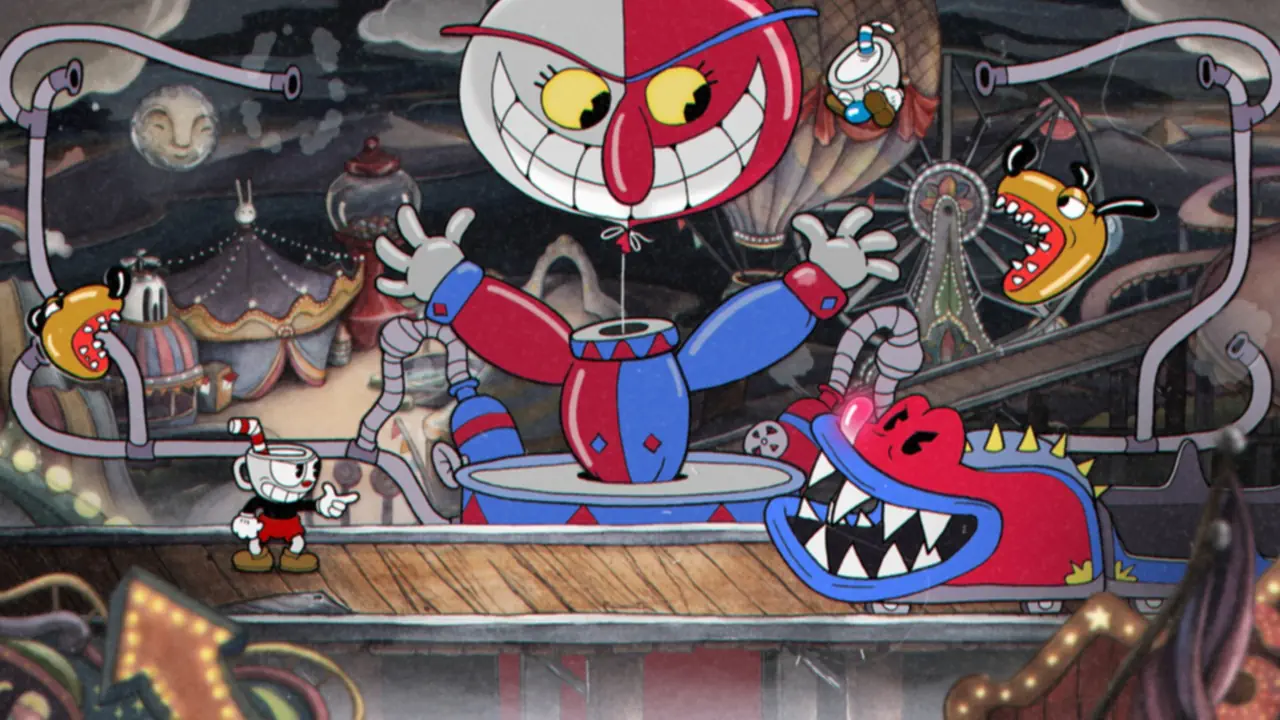
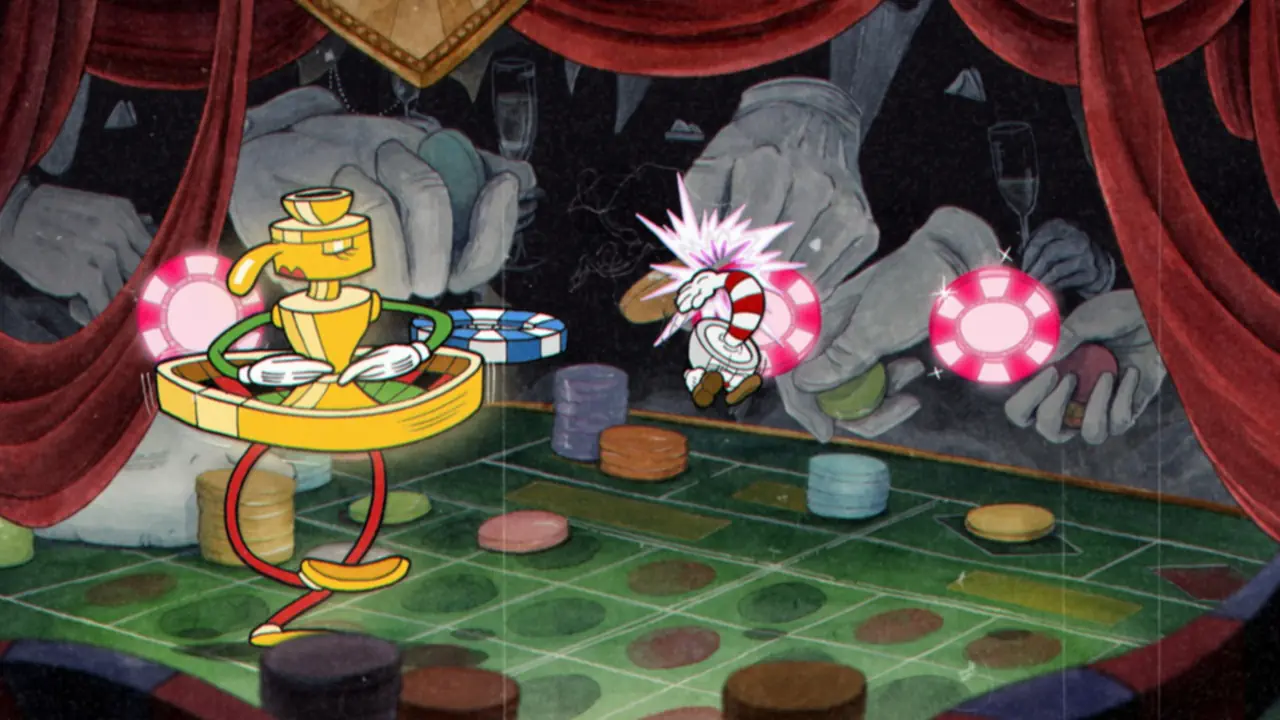
The character designs are equally remarkable. Each boss and NPC is imbued with a distinct personality, reflected in their animations and expressions. The fluidity of motion, combined with the squash-and-stretch techniques of traditional animation, ensures that every interaction feels alive and engaging.
The Jazz Soundtrack: A Sonic Journey
The jazz-inspired soundtrack of Cuphead is more than just background music; it is an integral part of the game’s identity. Composed by Kristopher Maddigan, the soundtrack features original recordings that capture the essence of early 20th-century jazz, from ragtime to big band. Each track is tailored to the game’s boss battles and stages, with lively rhythms and intricate melodies that heighten the tension and excitement.
The music does not merely accompany the action, it drives it. The syncopated beats and improvisational flourishes mirror the chaotic yet precise nature of the gameplay, creating a symbiotic relationship between sound and visuals. This auditory experience introduces players to the richness of jazz, a genre that has shaped countless musical traditions.
Gameplay Depth: Challenge and Reward
Cuphead is renowned for its punishing difficulty, but this is not arbitrary. The game’s boss battles are meticulously designed to test the player’s reflexes, pattern recognition, and adaptability. Each boss introduces unique mechanics, requiring players to learn and master new strategies. The EX Rank system further incentivizes perfection, rewarding players who achieve flawless or near-flawless victories with additional challenges.
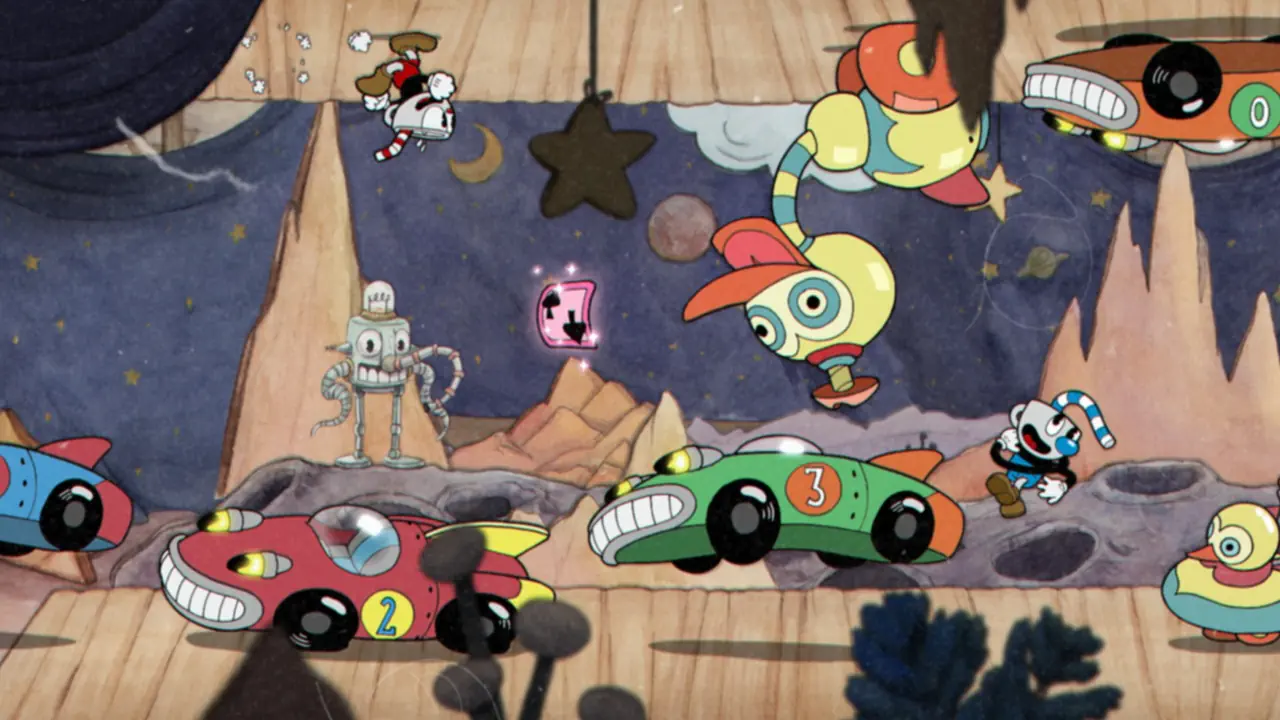
The weapon system adds another layer of depth. Players can choose from a variety of primary and secondary weapons, each with distinct strengths and weaknesses. Experimentation is key, as certain weapons may be more effective against specific bosses or in particular scenarios. The Charm system allows for further customization, enabling players to tailor their abilities to their playstyle.
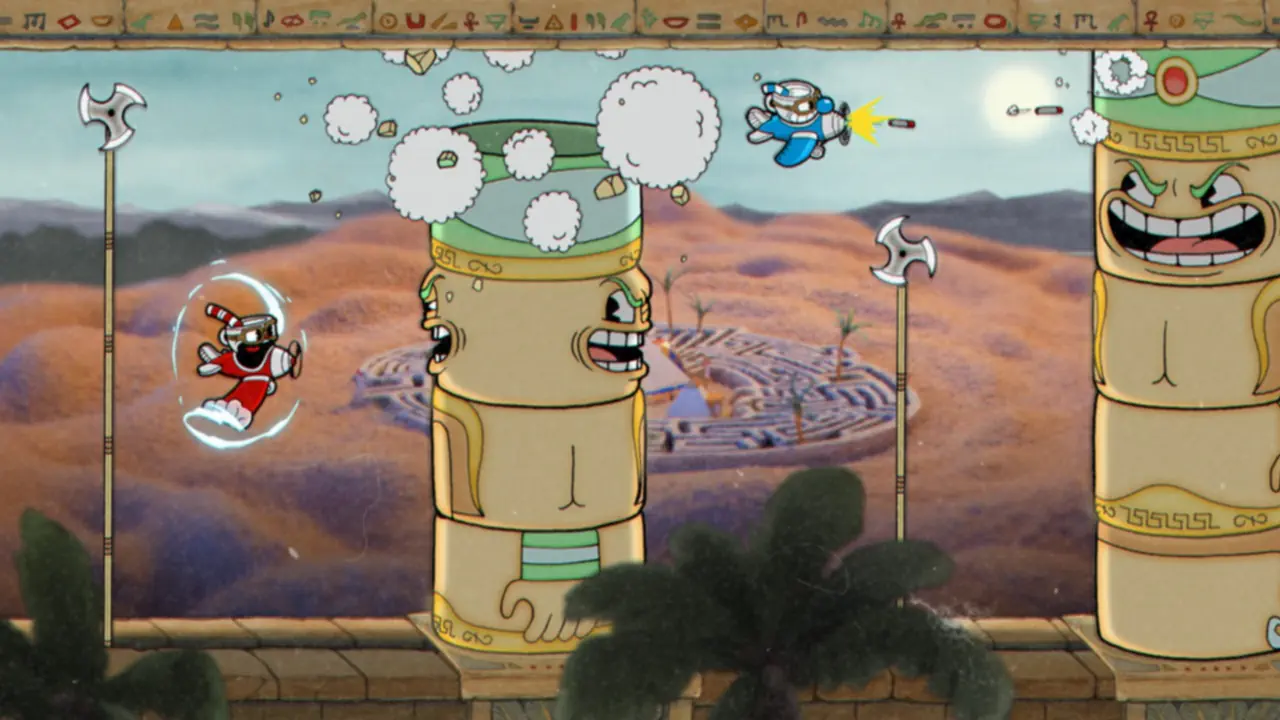
The local co-op mode enhances the experience by allowing two players to tackle the game together. While this can make some sections more manageable, it also introduces new dynamics, as players must coordinate their actions to overcome the game’s toughest challenges.
Player Reception: A Testimony to Excellence
Cuphead has been met with near-universal acclaim from both critics and players. Its Metacritic score of 88/100 reflects its status as a modern classic. Players often praise the game’s perfect balance of difficulty and fairness. The 16-hour playtime is frequently cited as ideal, offering a substantial yet digestible experience.
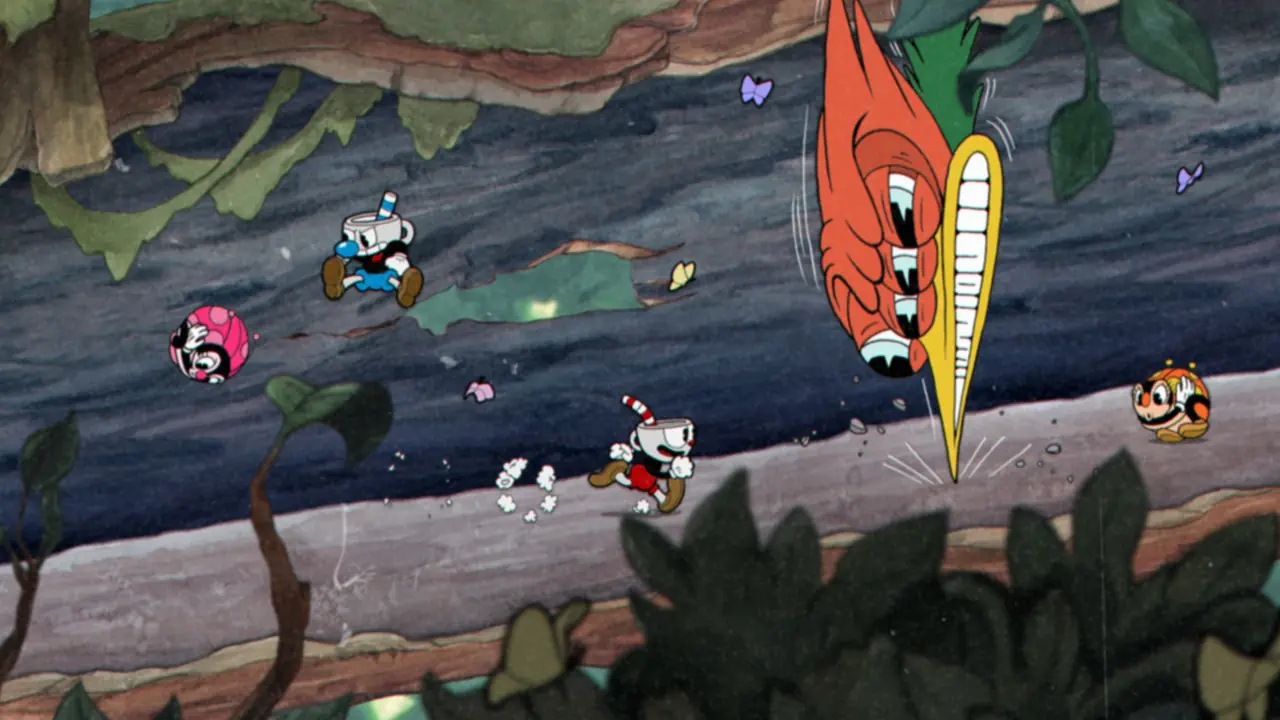
The boss battles are a particular highlight. Each encounter is a miniature masterpiece, combining visual spectacle, musical brilliance, and gameplay depth. The sense of accomplishment upon defeating a particularly challenging boss is unparalleled, making the game’s difficulty feel rewarding rather than frustrating.
Some players have noted that the controls can take time to adjust to, particularly the lack of a dash mechanic in the base game. However, this deliberate design choice reinforces the game’s old-school sensibilities, forcing players to rely on precision and timing rather than evasive maneuvers.
Cultural Impact: Bridging Generations
Cuphead occupies a unique place in gaming culture. It serves as a bridge between nostalgic appreciation and modern innovation. For older players, the game evokes a sense of childhood wonder, recalling the cartoons and music of their youth. For younger audiences, it offers an introduction to the artistry and craftsmanship of a bygone era.
The game’s difficulty has sparked broader discussions about the role of challenge in gaming. In an era where many games prioritize accessibility, Cuphead stands as a reminder that hard but fair gameplay can be deeply satisfying. It has inspired a wave of souls-like and retro-inspired games, proving that there is a hungry audience for demanding yet rewarding experiences.
The Enduring Appeal of Traditional Artistry
In a world dominated by 3D graphics and photorealistic visuals, Cuphead is a bold statement about the timelessness of hand-drawn animation. The game’s success demonstrates that traditional techniques can not only compete with modern methods but also excel in creating immersive and emotionally resonant experiences.
The attention to detail in Cuphead extends beyond its visuals and music. The voice acting, performed by Kari Wahlgren and Wayne Allwine, captures the whimsical, over-the-top style of 1930s cartoons, adding another layer of authenticity. Even the game’s dialogue is written to mimic the slang and cadence of the era, further enhancing its nostalgic appeal.
The Legacy of Cuphead
Cuphead is more than just a game; it is a cultural artifact. It has been celebrated in art books, documentaries, and even academic discussions about the intersection of art, music, and gaming. The game’s DLC, The Delicious Last Course, expanded its universe with new bosses, weapons, and a playable character, Ms. Chalice, further enriching the experience.
The game’s influence extends beyond the gaming world. Its unique aesthetic has inspired fan art, cosplay, and music covers, showcasing its impact on creative communities. Cuphead has also been referenced in popular media, cementing its place in modern pop culture.
Final Thoughts
With its breathtaking animation, pulse-pounding jazz soundtrack, and relentless yet rewarding challenge, Cuphead is a love letter to the 1930s and a testament to the power of perseverance. It proves that passion, craftsmanship, and innovation can create an experience that transcends the boundaries of its medium. Whether you are a fan of classic animation, a lover of jazz music, or simply someone seeking a memorable gaming experience, Cuphead delivers on all fronts. It is a game that demands your attention, tests your skills, and rewards your determination, a true masterpiece of modern gaming.
What you need to run
Minimum System Requirements
| Component | Specification |
|---|---|
| OS | Windows 7 (64-bit) or higher |
| Processor | Intel Core2 Duo E8400, 3.0GHz or AMD Athlon 64 X2 6000+, 3.0GHz or higher |
| Memory | 3 GB RAM |
| Graphics | NVIDIA Geforce 9600 GT or AMD HD 3870 512MB or higher |
| DirectX | Version 11 |
| Storage | 4 GB available space |
Recommended System Requirements
| Component | Specification |
|---|---|
| OS | Windows 10 (64-bit) |
| Processor | Intel Core i5-4690K or AMD FX-8350 |
| Memory | 4 GB RAM |
| Graphics | NVIDIA Geforce GTX 970 or AMD Radeon R9 290 |
| DirectX | Version 12 |
| Storage | 4 GB available space |
Have fun!